
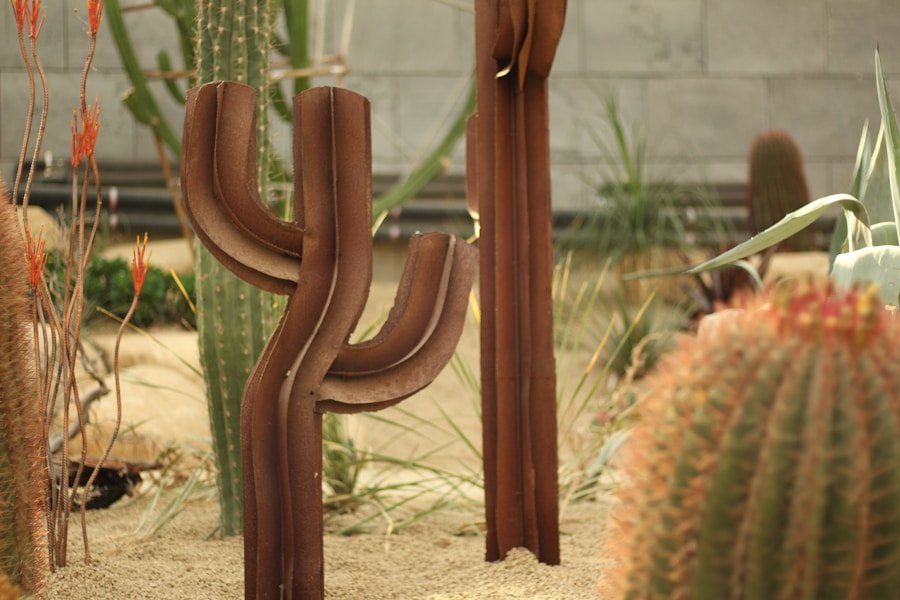
Sustainable art, also known as eco-art or green art, represents a growing movement within the global art world. It encompasses artistic practices and products that consider their environmental impact throughout their lifecycle. In Dubai, a city known for its rapid development and burgeoning cultural scene, sustainable art is beginning to carve out a significant niche within fine art galleries. This article explores the various facets of sustainable art in Dubai, from the materials artists employ to the thematic concerns they address, and the role galleries play in fostering this evolving sector.
The Principles of Sustainable Art
Sustainable art is fundamentally about mindful creation. It challenges conventional art production, which can often be resource-intensive, and seeks alternatives that minimize harm to the planet.
Materiality and Resource Management
At its core, sustainable art often begins with a critical examination of materials. Artists working in this domain prioritize materials that are recycled, upcycled, biodegradable, or sourced responsibly.
- Recycled and Upcycled Materials: Many sustainable artists in Dubai incorporate discarded objects, industrial waste, or everyday refuse into their work. This transforms what would otherwise be landfill fodder into new artistic forms. For example, sculptures might be crafted from plastic bottles, metal scraps, or electronics components, giving these materials a second life as aesthetic objects.
- Biodegradable and Natural Materials: Another approach involves the use of natural, non-toxic, and biodegradable materials. This can range from plant fibers, earth pigments, and sustainably harvested wood to organic fabrics. Such materials ensure that, at the end of their lifespan, the artwork will return to the earth without leaving a lasting environmental burden.
- Locally Sourced Materials: Reducing the carbon footprint associated with transportation is a key aspect of sustainability. Artists often prioritize materials available within their local region, minimizing the energy consumed in shipping and logistics. In Dubai, this could involve utilizing indigenous sands, desert plants, or materials salvaged from local construction sites.
Energy Consumption and Production Methods
Beyond materials, sustainable art practices also scrutinize the energy required for artistic creation and exhibition.
- Low-Energy Production: Artists may adopt techniques that require minimal or no electricity. Hand-crafting, solar-powered tools, or natural drying processes exemplify this approach. The goal is to reduce reliance on grid electricity, particularly when it originates from fossil fuels.
- Waste Reduction in the Studio: A sustainable studio operates with a “leave no trace” ethos where possible. This involves meticulous planning to minimize off-cuts, reusing solvents, and responsible disposal of hazardous materials. Artists might integrate closed-loop systems to manage water or chemical waste.
- Exhibition Practices: Galleries, as custodians of art, also play a role in sustainable practices. This includes optimizing lighting and climate control systems for energy efficiency, utilizing reusable display materials, and minimizing waste during exhibition installation and de-installation.
Thematic Concerns in Sustainable Art
Sustainable art is not merely about how art is made, but also what it communicates. The themes explored often intersect with environmental and social issues.
Environmental Awareness and Advocacy
Many sustainable artworks serve as direct commentaries on environmental crises, acting as visual manifestos to raise awareness.
- Climate Change and Its Impacts: Artists often depict the tangible effects of climate change, such as rising sea levels, desertification, and extreme weather events. These works can serve as powerful reminders of environmental fragility and the urgency of action.
- Biodiversity Loss: The plight of endangered species and the destruction of ecosystems are recurring themes. Art can offer a poignant platform to mourn lost species or celebrate the resilience of nature.
- Pollution and Waste: Works that directly incorporate pollutants or waste materials can highlight the problems of overconsumption and inadequate waste management. The aesthetic transformation of “garbage” into art forces a re-evaluation of its value and impact.
Social Justice and Ethical Consumption
Sustainable art often extends beyond purely environmental concerns to encompass broader issues of social justice and ethical responsibility.
- Community Engagement: Some projects involve community participation, empowering local populations to address environmental issues through art. This can foster a sense of collective ownership and responsibility.
- Ethical Sourcing and Labor: The conversation around sustainable art often touches upon the ethical implications of material sourcing and the labor conditions under which materials are produced. An artist’s choice of material can reflect a commitment to fair trade and responsible supply chains.
- Indigenous Knowledge: Many sustainable art practices draw inspiration from indigenous cultures’ deep understanding of ecological balance and sustainable living. This can involve incorporating traditional techniques or perspectives into contemporary art forms.
Sustainable Art in Dubai’s Fine Art Galleries
Dubai’s art scene, characterized by its international outlook and rapid growth, is increasingly embracing sustainable art. Galleries are becoming crucial conduits for showcasing these works and educating the public.
Gallery Selection and Curation
Galleries in Dubai that embrace sustainable art often carefully curate their exhibitions, actively seeking out artists whose practices align with eco-conscious principles.
- Focus on Eco-Conscious Artists: Galleries might develop a specific focus on artists known for their sustainable approaches, dedicating exhibition spaces to this genre. This helps to build a distinct identity within the crowded art market.
- Educational Programs: Many galleries accompany their sustainable art exhibitions with educational programs, workshops, and artist talks. These events provide deeper insights into the artists’ practices and the environmental issues they address, fostering a more informed audience.
- Partnerships with Environmental Organizations: Collaborating with local or international environmental NGOs can amplify the message of sustainable art. Such partnerships can lead to joint projects, fundraising initiatives, or public awareness campaigns.
Challenges and Opportunities
While the sustainable art movement in Dubai is gaining momentum, it also faces specific challenges and offers unique opportunities.
- Perception and Value: A common challenge is overcoming the perception that art made from recycled or natural materials is somehow less “valuable” or prestigious than traditional art. Galleries play a vital role in demonstrating the artistic merit and conceptual depth of sustainable works.
- Market Development: Building a robust market for sustainable art requires consistent promotion and patron education. Galleries must actively engage with collectors, explaining the unique propositions of eco-friendly art.
- Policy and Infrastructure: As the city continues to expand its cultural infrastructure, there is an opportunity to integrate sustainable principles into the design and operation of new art spaces. This includes green building certifications, renewable energy sources, and efficient waste management systems.
The Future of Sustainable Art in Dubai
The trajectory of sustainable art in Dubai is intertwined with the city’s broader commitment to environmental stewardship and its ambition to become a leading cultural hub.
Integration into Public Art and Urban Planning
Sustainable art is not confined to gallery walls; it can also become an integral part of public spaces and urban landscapes.
- Public Art Initiatives: The city’s investment in public art offers an avenue for large-scale, environmentally conscious installations. These can serve as permanent reminders of sustainability and transform urban environments. Imagine a sculptural park crafted entirely from recycled materials, offering both aesthetic beauty and a powerful environmental message.
- Architectural Integration: Sustainable art can be integrated into the architecture of buildings, perhaps through green walls, recycled material facades, or art pieces that double as environmental solutions, such as air purifiers.
Technological Innovations and Digital Art
As technology advances, so too do the possibilities for sustainable art, particularly in the realm of digital media and virtual reality.
- Digital Sustainability: While digital art doesn’t consume physical materials in the same way, the energy required for servers, data storage, and display can be substantial. Sustainable digital art practices might involve optimizing code for energy efficiency or utilizing renewable energy sources for server farms.
- Virtual Exhibitions and NFTs: Virtual galleries and Non-Fungible Tokens (NFTs) offer new platforms for exhibiting and collecting art with a reduced physical footprint. However, the environmental impact of blockchain technology itself is a subject of ongoing debate and innovation toward more energy-efficient protocols.
Conclusion
| Gallery Name | Location | Percentage of Eco-Friendly Art | Recycled Materials Used |
|---|---|---|---|
| Gallery A | Downtown Dubai | 30% | Glass, paper |
| Gallery B | Al Quoz | 20% | Plastic, metal |
| Gallery C | DIFC | 40% | Wood, fabric |
Sustainable art in Dubai’s fine art galleries is more than a trend; it is a critical response to global environmental challenges and a reflection of a maturing art scene. It invites viewers to consider not only the aesthetic qualities of a work but also its provenance, its impact, and its message. By embracing eco-friendly materials, reducing waste, and addressing pressing environmental themes, artists and galleries in Dubai are building a movement that aligns artistic expression with ecological responsibility. This sector presents a formidable opportunity for Dubai to position itself as a thought leader in sustainable cultural development, demonstrating that creativity and environmental consciousness can indeed flourish in tandem. The art world, like any other sector, has a responsibility to minimize its ecological footprint, and sustainable art offers a compelling pathway forward, turning the detritus of our world into objects of beauty and contemplation.