
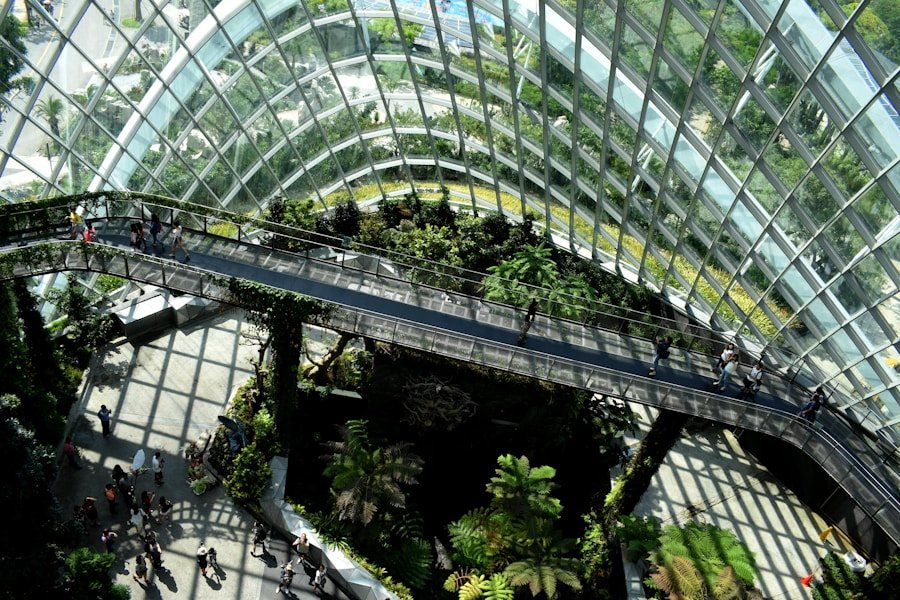
The confluence of opulence and environmental stewardship, often perceived as an oxymoron, is being systematically addressed in Dubai. This article explores how a burgeoning class of entrepreneurs is integrating sustainability into the luxury sector, redefining its parameters and setting new benchmarks for ethical commerce within the emirate.
==The Shifting Sands of Luxury Perception==
Historically, luxury has been associated with exclusivity, rarity, and often, an unspoken disregard for the environmental or social impact of its acquisition and production. However, contemporary consumer trends indicate a significant shift.
===Consumer Demand for Ethical Practices===
A growing segment of affluent consumers is now actively seeking products and services that align with their values concerning environmental protection and social equity. This demographic, often referred to as “conscious consumers,” is driving innovation in the luxury market. They are not merely purchasing goods; they are investing in narratives of responsibility and impact. This demand acts as a catalyst, compelling businesses to re-evaluate their supply chains, material sourcing, and operational footprints.
===Reputational Imperatives for Brands===
Beyond consumer demand, luxury brands recognize the imperative to address sustainability for their own long-term viability. Brand reputation, once built solely on craftsmanship and exclusivity, now increasingly incorporates ethical provenance and environmental impact. Failure to adapt a sustainable ethos risks obsolescence in a market increasingly scrutinizing corporate responsibility. This shift is not a fleeting trend but a fundamental re-calibration of what constitutes value within the luxury sphere.
==Dubai’s Strategic Embrace of Sustainability==
Dubai, traditionally known for its rapid development and opulent offerings, is demonstrating a strategic pivot towards integrating sustainability into its economic framework. This move is driven by both global environmental concerns and a desire to diversify its economic model.
===Government Initiatives and Support===
The UAE government has implemented various policies and initiatives to foster green growth across all sectors, including luxury. The “UAE Green Agenda 2015-2030” and the “Dubai Clean Energy Strategy 2050” exemplify this commitment, setting ambitious targets for renewable energy adoption, waste reduction, and carbon emissions. These frameworks provide a supportive ecosystem for entrepreneurs embarking on sustainable ventures. Financial incentives, regulatory guidelines, and public-private partnerships are all employed to encourage green innovation.
===Diversification Beyond Traditional Luxury===
Dubai’s economic strategy extends beyond a reliance on its established luxury sectors, such as real estate and retail. There is a deliberate effort to cultivate new industries centered on technology, innovation, and sustainability. This includes fostering sustainable tourism, promoting eco-friendly manufacturing, and developing a circular economy model. This diversification creates fertile ground for sustainable luxury enterprises, offering a broader platform for their integration into the emirate’s economic fabric.
==Pioneers in Sustainable Luxury: Case Studies==
Several enterprises in Dubai are demonstrating the practical application of sustainable principles within the luxury domain. These examples showcase the breadth of innovation occurring across different sectors.
===Eco-Friendly Hospitality===
The hospitality sector in Dubai is witnessing a notable trend towards sustainable practices. Hotels are implementing comprehensive waste management systems, optimizing energy and water consumption, and sourcing local, organic produce. For instance, some luxury resorts now incorporate greywater recycling, solar power generation, and provide guests with options for carbon offsetting their stays. This integration is not merely about compliance; it is about enhancing the guest experience by offering a responsible luxury option.
===Circular Fashion Initiatives===
Dubai’s fashion industry is exploring circular economy models aimed at reducing waste and prolonging the lifecycle of luxury garments. This includes initiatives such as textile recycling programs, upcycling workshops, and the development of platforms for resale and rental of high-end fashion. Designers are also experimenting with sustainable materials, such as organic cotton, recycled polyester, and innovative plant-based fabrics. These efforts seek to decouple luxury consumption from environmental degradation.
===Sustainable Jewellery and Craftsmanship===
In the high-value sector of jewellery, ethical sourcing and transparency are becoming paramount. Entrepreneurs are focusing on using recycled precious metals, conflict-free diamonds, and responsibly sourced gemstones. Blockchain technology is also being explored to provide verifiable proof of origin and ethical conduct throughout the supply chain. This represents a significant departure from traditional practices, aiming for complete traceability and accountability.
==Challenges and Opportunities in the Sustainable Luxury Landscape==
While the trajectory towards sustainable luxury in Dubai is evident, significant challenges remain, alongside considerable opportunities for growth and innovation.
===Navigating Supply Chain Complexities===
One of the primary challenges lies in establishing truly sustainable supply chains for luxury goods. The global nature of sourcing raw materials and components often makes it difficult to verify ethical labor practices, environmental impact, and energy consumption at every stage. Entrepreneurs are investing in robust auditing processes and forging direct relationships with suppliers to ensure transparency and compliance. This requires a forensic approach to every link in the chain, akin to tracing a river’s course back to its source.
===Consumer Education and Market Acceptance===
Despite growing awareness, a segment of the luxury market still needs extensive education on the benefits and value proposition of sustainable alternatives. The perception that sustainable luxury compromises quality or aesthetics remains a hurdle. Entrepreneurs are actively working to dispel these misconceptions through compelling storytelling, product demonstrations, and collaborations with influencers who can articulate the intrinsic value of ethically produced goods. The narrative must convey that sustainability enhances, rather than diminishes, the luxury experience.
===Innovation in Green Technologies and Materials===
The pursuit of sustainable luxury necessitates continuous innovation in green technologies and materials. This includes developing new methods for resource efficiency, creating biodegradable packaging, and discovering novel materials with reduced environmental footprints. Dubai’s ecosystem for innovation, supported by government initiatives and free zones dedicated to technology and research, offers fertile ground for such advancements. Collaboration between startups, established luxury brands, and academic institutions is crucial for accelerating this progress.
==The Future Trajectory of Sustainable Luxury in Dubai==
Dubai’s commitment to sustainable development, coupled with its status as a global luxury hub, positions it as a potential leader in the evolution of sustainable luxury.
===Dubai as a Global Showcase===
The emirate’s ambition to become a global hub for green economy offers an opportunity to showcase sustainable luxury practices on an international stage. Events such as Expo 2020 Dubai, with its focus on sustainability, provided a platform for demonstrating innovative solutions. Future initiatives can further cement Dubai’s role as a living laboratory for integrating luxury with environmental responsibility. This can attract both investors and talent seeking to operate within an ethically conscious market.
===Integration of Technology for Transparency===
The future of sustainable luxury in Dubai will likely see an increased integration of technology to enhance transparency and traceability. Blockchain technology, artificial intelligence, and sophisticated data analytics can provide consumers with detailed information about the provenance, environmental impact, and social footprint of luxury products. This level of transparency builds trust and empowers consumers to make informed choices, effectively bridging the gap between product and conscience.
===Developing a Holistic Ecosystem===
The long-term vision involves developing a holistic ecosystem where sustainable luxury is not a niche concept but an integrated component of the broader economy. This entails fostering a culture of innovation, supporting green startups, and establishing robust regulatory frameworks that incentivize responsible business practices. The goal is to move beyond individual sustainable luxury brands to a systemic shift where sustainability is a foundational principle across the entire luxury sector in Dubai. This requires persistent effort, like sculpting a desert into a thriving oasis, but the foundational elements are now in place.