
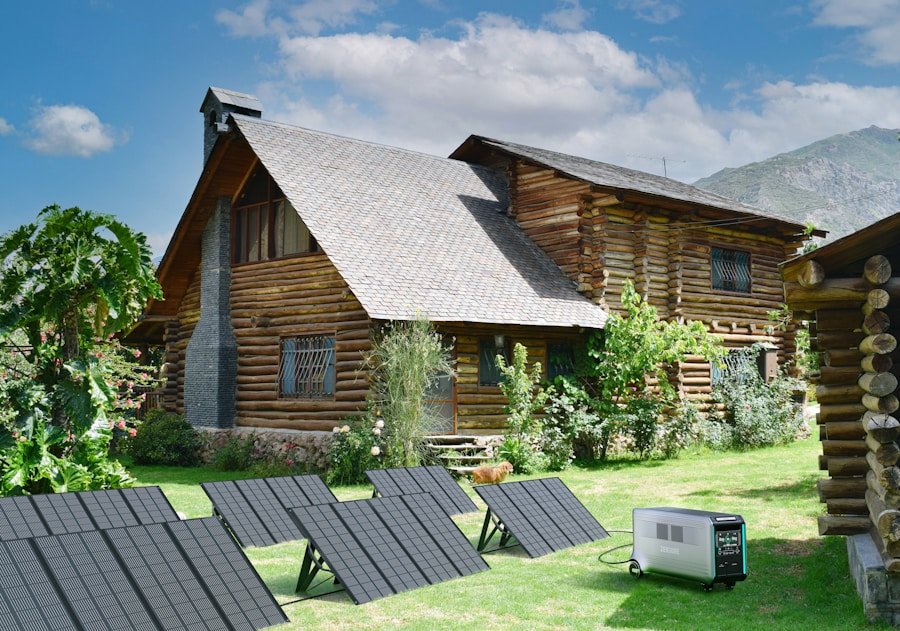
Dubai, a city synonymous with opulence and innovation, is increasingly integrating the principles of sustainable luxury into its hospitality sector. This shift reflects a growing global awareness of environmental responsibility and a discerning consumer base that seeks experiences aligned with these values. Eco-friendly brands are not merely adopting green practices; they are redefining the guest experience, demonstrating that environmental consciousness and high-end service can coexist and even enhance each other. This evolution is transforming Dubai’s hotels into exemplars of responsible tourism, offering a blueprint for how the industry can navigate the complexities of sustainability without compromising on luxury.
The Shifting Sands of Hospitality: Dubai’s Embrace of Sustainability
The landscape of luxury travel is undergoing a profound transformation. Gone are the days when extravagant displays were the sole currency of high-end hospitality. Today, the discerning traveler is increasingly looking beyond superficial grandeur, seeking destinations and accommodations that resonate with their ethical compass. Dubai, often perceived as a monument to rapid development and ambition, is actively participating in this global dialogue, weaving sustainability into the very fabric of its luxurious offerings. This is not a superficial veneer of greenness, but a fundamental reassessment of how tourism can operate in harmony with its surroundings.
Architects of a Greener Future
The hotels leading this charge are not simply implementing isolated eco-initiatives. Instead, they are embarking on a holistic journey, integrating sustainability into their architectural design, operational practices, and guest engagement strategies. This begins from the ground up, with the very structures that house these establishments.
Designing with Discernment: Sustainable Architecture
The selection of building materials and the design of hotel structures are critical starting points. Many new developments and renovations prioritize materials with low environmental impact, such as recycled steel, sustainably sourced timber, and locally quarried stone. The emphasis extends to energy efficiency, with buildings designed to maximize natural light and ventilation, thereby reducing reliance on artificial heating and cooling systems. Green roofs and vertical gardens are not just aesthetic enhancements; they contribute to insulation, biodiversity, and urban cooling.
The Blueprint of Efficiency
Consider the passive design principles employed in some of Dubai’s newer eco-luxury hotels. These designs often incorporate features like self-shading facades, optimized window placement to harness natural light while minimizing solar heat gain, and advanced insulation techniques. These elements work in concert to create an environment that is comfortable and appealing without an excessive draw on resources. It’s akin to a well-tuned instrument, where every component plays its part in achieving harmony and efficiency.
Water Wisdom: Conserving a Precious Resource
Water scarcity is a significant concern in arid regions like Dubai. Consequently, water conservation is a paramount aspect of sustainable hospitality. Hotels are implementing advanced water management systems, including rainwater harvesting, greywater recycling for irrigation and toilet flushing, and the use of low-flow fixtures in guest rooms and public areas.
The Droplet’s Journey
The journey of a single droplet of water within a sustainable hotel is carefully managed. Rainwater collected from rooftops might be filtered and stored for landscape irrigation, while water from showers and sinks (greywater) can be treated and reused. This closed-loop approach minimizes reliance on desalinated water, a process that is energy-intensive. The principle is simple: treat every drop as a precious currency.
The Culinary Canvas: From Farm to Table
The gastronomic experience in Dubai’s luxury hotels is also being reimagined through a sustainable lens. The focus has shifted towards local sourcing, minimizing food miles, and reducing food waste. This not only supports the local economy but also ensures fresher, higher-quality ingredients for guests.
Rooted in Local Flavors
Many hotels are establishing partnerships with local farms and producers, creating direct supply chains that bypass lengthy transportation networks. This farm-to-table philosophy is transforming hotel menus, showcasing seasonal produce and regional specialties. The benefits are manifold: reduced carbon footprint, support for local livelihoods, and a more authentic culinary experience for diners.
A Symphony of Local Ingredients
Imagine a dish prepared with ingredients harvested that morning from a farm just outside the city. The flavors are vibrant, the quality unmistakable. This approach to dining is a testament to the interconnectedness of our food systems and the environment. It’s a culinary art form where sustainability is the inspiration, and local ingredients form the palette.
The Waste Not, Want Not Kitchen
Food waste is a significant global challenge. Sustainable hotels are implementing innovative strategies to minimize waste in their kitchens and dining areas. This includes meticulous inventory management, creative use of all parts of ingredients (e.g., using vegetable scraps for broths), composting organic waste, and engaging with food redistribution charities for surplus edible food.
The Art of Resourceful Gastronomy
The kitchen becomes a laboratory of resourcefulness. Chefs are trained to maximize ingredient utilization, transforming what might have been discarded into delicious components of new dishes. Composting systems turn organic waste into nutrient-rich soil for hotel gardens. This is not about austerity; it’s about intelligent resource management, a testament to culinary ingenuity.
Guest Engagement: The Educated Traveler
Sustainable luxury is not just about what hotels do behind the scenes; it’s also about how they empower and engage their guests. Educating guests about the hotel’s eco-initiatives and providing opportunities for them to participate fosters a sense of shared responsibility and enhances the overall experience.
The Conscious Choice: Empowering Guest Decisions
Hotels are increasingly providing guests with information about their sustainability efforts, from the energy-saving measures in their rooms to the sourcing of their amenities. This transparency allows guests to make informed choices and feel a connection to the hotel’s mission.
A Passport to Responsibility
Think of sustainability information as a guest’s passport to a more responsible travel experience. By understanding the eco-friendly practices in place, guests can feel empowered to make their own conscious choices during their stay, whether it’s opting out of daily linen changes or using public transport options encouraged by the hotel.
Immersive Eco-Experiences: Connecting with Nature and Culture
Beyond providing information, some hotels are offering immersive experiences that connect guests with the local environment and culture in a sustainable way. This can include guided nature walks, visits to local conservation projects, or workshops on traditional crafts and sustainable living.
The Footprints of Discovery
These experiences are designed to leave a positive imprint, both on the guest and the environment. A guided desert safari that emphasizes minimal impact, or a visit to a date farm that highlights traditional, water-wise cultivation methods, allows guests to discover the destination while respecting its natural and cultural heritage.
The Ripple Effect: Impact on the Wider Community and Economy
The adoption of sustainable practices by luxury hotels in Dubai extends its influence beyond the hotel walls, creating a positive ripple effect throughout the wider community and economy. This demonstrates that “going green” is not an isolated act but part of a larger ecosystem of positive change.
Nurturing Local Economies
By prioritizing local sourcing for food, beverages, and even furnishings, these hotels directly support local farmers, artisans, and businesses. This creates jobs, fosters economic growth within the region, and reduces the carbon footprint associated with long-distance supply chains.
Planting Seeds of Prosperity
The economic impact is akin to planting seeds of prosperity within the local community. When a hotel chooses to buy its produce from a nearby farm, that farmer can invest in their land, employ more people, and contribute to the local economy. This creates a virtuous cycle of growth and sustainability.
Elevating the UAE’s Green Credentials
Dubai’s commitment to sustainable luxury positions the UAE as a leader in responsible tourism on a global scale. This attracts a growing segment of environmentally conscious travelers, further enhancing the nation’s reputation as a sophisticated and forward-thinking destination.
A Beacon for Responsible Travel
The UAE, through its pioneering hotels, is becoming a beacon for responsible travel. This leadership inspires other destinations and businesses to adopt similar practices, contributing to a broader global shift towards more sustainable forms of tourism. It signals that opulence and environmental stewardship can walk hand in hand.
The Future Landscape: Integration and Innovation
The trajectory of sustainable luxury in Dubai is one of continuous integration and innovation. As more brands recognize the intrinsic value of eco-conscious operations, and as technology advances to offer even more efficient and sustainable solutions, the bar for luxury hospitality will continue to be raised.
The Seamless Integration of Sustainability
The goal is to reach a point where sustainability is no longer a separate initiative but is seamlessly woven into the DNA of every luxury hotel. This means that in the future, it will be the standard, not the exception, for discerning travelers to expect and experience eco-conscious opulence.
A Woven Fabric of Excellence
Sustainability will become a woven fabric of excellence, as fundamental to a luxury hotel as impeccable service or exquisite design. Guests will experience it not as a conscious effort, but as an inherent quality that enhances their stay, providing peace of mind alongside unparalleled comfort and sophistication.
Embracing Emerging Technologies
The hospitality sector is ripe for further technological advancements in sustainability. Innovations in renewable energy generation, smart building management systems, waste-to-energy technologies, and advanced water purification are all poised to play a significant role in shaping the future of eco-luxury.
The Next Horizon of Efficiency
The next horizon of efficiency and responsibility in Dubai’s luxury hotels will be shaped by embracing cutting-edge technologies. From AI-powered energy management systems that optimize consumption in real-time to advanced materials that offer superior insulation and durability, the future promises even more sophisticated and integrated sustainable solutions.
In conclusion, Dubai’s foray into sustainable luxury is not a fleeting trend but a significant and enduring evolution of its hospitality sector. By integrating eco-friendly practices into architectural design, culinary offerings, guest engagement, and community impact, these brands are demonstrating that true luxury in the 21st century is synonymous with responsible stewardship. The city is proving that it is possible to build a future where opulence and environmental integrity are not mutually exclusive but are, in fact, inextricably linked, setting a compelling precedent for the global hospitality industry.