
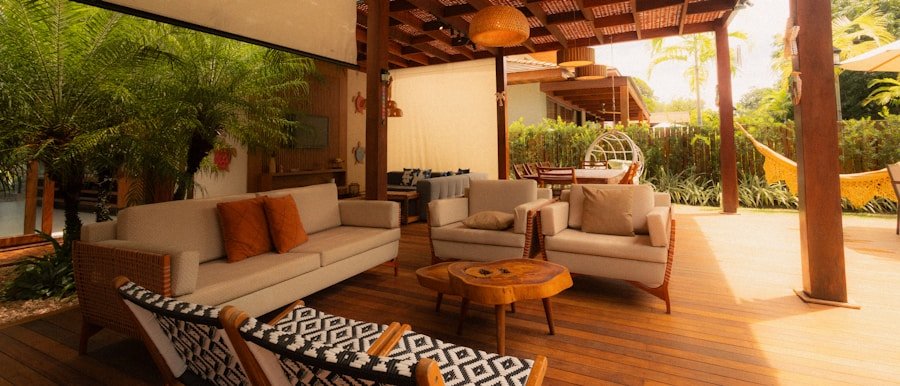
This article explores the burgeoning landscape of sustainable luxury hospitality projects in Dubai, a city often perceived as a beacon of extravagance. It delves into the criteria that define eco-certifiable initiatives within this sector and examines prominent examples, offering insights into their approaches and the broader implications for the global luxury market. As a reader, you will gain an understanding of how sustainability is being integrated into high-end tourism, challenging traditional notions of opulence.
The Paradigm Shift in Luxury Hospitality
The concept of luxury hospitality is undergoing a fundamental transformation. Historically, luxury was often synonymous with unchecked consumption and minimal consideration for environmental impact. However, a discerning clientele, alongside evolving global consciousness, is now demanding more. This shift isn’t merely a fleeting trend; it represents a foundational change in consumer values, pushing industry leaders to redefine what constitutes true luxury.
Defining Sustainable Luxury
Sustainable luxury in hospitality transcends superficial greenwashing. It encompasses a holistic approach to environmental stewardship, social responsibility, and economic viability. This means minimizing carbon footprints, conserving natural resources, supporting local communities, and ensuring fair labor practices throughout the supply chain. For a luxury property, this often translates into innovative architectural design, advanced waste management systems, and a commitment to locally sourced, organic provisions.
Certification as a Benchmark
Eco-certification plays a crucial role in validating a property’s sustainability claims. These certifications, issued by independent third-party organizations, provide a transparent framework for assessing environmental performance. For the luxury traveler, a certification acts as an assurance, a seal of approval that the establishment meets rigorous ecological standards. Without such benchmarks, it becomes challenging to differentiate genuine efforts from performative gestures.
Dubai’s Eco-Conscious Evolution
Dubai, renowned for its ambitious development and architectural marvels, is increasingly demonstrating a commitment to environmental sustainability. This commitment, while perhaps a later development than in some other global hubs, is gaining significant momentum, particularly within the hospitality sector. The city’s drive to diversify its economy beyond fossil fuels and to attract a more environmentally aware tourist demographic is a powerful catalyst.
Government Initiatives and Green Building Codes
The Dubai government has implemented various initiatives to promote sustainable development, including the Dubai Green Building Regulations and Specifications. These codes mandate specific environmental performance standards for new constructions and major renovations, acting as a foundational layer for eco-certifiable projects. This regulatory framework provides a sturdy scaffold upon which developers can build genuinely sustainable enterprises.
The Role of Expo 2020 and Beyond
Expo 2020 Dubai, with its theme “Connecting Minds, Creating the Future,” heavily emphasized sustainability, showcasing innovative solutions and sustainable practices. The legacy of Expo extends to the city’s infrastructure and mindset, continuing to influence development strategies, including those within the hospitality sector. This global event served as a powerful amplifier for sustainable principles within the region.
Leading Eco-Certifiable Projects in Dubai
Several hospitality projects in Dubai stand out as exemplars of sustainable luxury. These establishments are not only embracing eco-friendly practices but are also integrating them seamlessly into their guest experience, demonstrating that sustainability need not compromise refinement.
The Retreat Palm Dubai MGallery by Sofitel
This resort, located on the East Crescent of Palm Jumeirah, is notable for being the Middle East’s first 360-degree wellness resort. While its primary focus is on holistic well-being, its sustainability credentials are also significant.
Focus on Wellness and Nature Integration
The Retreat emphasizes natural elements and a connection to nature throughout its design and offerings. Its commitment to wellness extends beyond individual health to the health of the planet. Guest rooms are designed to maximize natural light, reducing reliance on artificial illumination.
Waste Reduction and Energy Efficiency
The resort implements comprehensive waste management programs, including recycling and food waste reduction initiatives. Energy efficiency is achieved through intelligent building management systems, use of LED lighting, and mindful air conditioning protocols, a critical element in Dubai’s climate.
JA The Resort
JA The Resort, a sprawling property in Jebel Ali, showcases a long-standing commitment to environmental responsibility, particularly through its JA Ocean View Hotel component.
Beach and Marine Conservation
The resort actively participates in beach clean-up operations and marine conservation programs, recognizing its proximity to a vital coastal ecosystem. This commitment is not confined to property boundaries but extends to the broader marine environment.
Water Management Strategies
In a arid region like Dubai, water conservation is paramount. JA The Resort employs advanced irrigation systems, uses treated wastewater for landscaping, and implements water-saving fixtures throughout its facilities. This careful stewardship of a precious resource is a cornerstone of its sustainability.
Nikki Beach Resort & Spa Dubai
While known for its vibrant atmosphere, Nikki Beach Resort & Spa Dubai is also making strides in its sustainability efforts, demonstrating that even high-energy luxury can integrate eco-conscious practices.
Local Sourcing and Community Engagement
The resort prioritizes sourcing produce and goods from local suppliers, reducing its carbon footprint associated with transportation and supporting the local economy. This fosters a symbiotic relationship between the resort and its community.
Responsible Consumption Initiatives
Nikki Beach has implemented initiatives to reduce single-use plastics and encourages responsible consumption among its guests. This includes offering filtered water in glass bottles and providing reusable amenities.
The Sustainable City Hotel (Under Development)
Though still in development, The Sustainable City Hotel promises to be a landmark in eco-luxury, located within Dubai’s pioneering Sustainable City project. This hotel is poised to be an active cog in a larger, eco-centered machine.
Integration within a Green Ecosystem
The hotel is designed to be an integral part of The Sustainable City, which features net-zero energy buildings, extensive green spaces, and a closed-loop waste management system. This integration into a wider sustainable urban fabric provides a unique advantage.
Renewable Energy Sources
The project plans to heavily rely on renewable energy sources, primarily solar power, to meet its operational needs. This commitment to self-sufficiency in energy is a hallmark of truly sustainable infrastructure.
Habitas AlUla (Note: While not strictly Dubai, its regional proximity and exemplary status warrant inclusion as a benchmark for sustainable luxury in the Gulf)
Habitas AlUla, nestled in Saudi Arabia’s dramatic desert landscape, offers a compelling vision of sustainable luxury that, while geographically distinct from Dubai, serves as a powerful regional benchmark and source of inspiration. It presents a model that Dubai’s burgeoning sustainable hospitality sector can draw lessons from.
Minimal Impact Design and Construction
Habitas AlUla employs a modular construction approach, ensuring minimal site disruption and preserving the ancient desert environment. The structures are designed to be removable, leaving no permanent footprint. This “leave no trace” philosophy is at the core of its architectural vision.
Cultural Preservation and Local Empowerment
The resort is deeply committed to preserving the cultural heritage of the AlUla region and empowering local communities through employment and training programs. This focus on indigenous knowledge and local prosperity elevates its sustainability credentials beyond environmental considerations.
Experiential Sustainability
Guests are actively engaged in sustainable practices, from participating in conservation efforts to learning about the region’s unique biodiversity. This integration of learning and experience transforms sustainability from a passive observation into an active engagement.
The Future of Sustainable Luxury in Dubai
The trajectory for sustainable luxury in Dubai is one of continued growth and innovation. The city’s ambition, combined with increasing environmental awareness, forms a potent combination.
Technological Advancements and Smart Solutions
Future developments will likely heavily leverage smart technologies for enhanced resource management, predictive maintenance, and personalized sustainable experiences. Artificial intelligence and the Internet of Things (IoT) will become increasingly integral to optimizing energy consumption and waste management.
Education and Awareness for Guests and Staff
A key component of future success lies in fostering a deeper understanding of sustainability among both hotel staff and guests. Educational programs and interactive experiences can transform passive awareness into active participation, creating a ripple effect that extends beyond the hotel’s walls. This cultivated consciousness will be as crucial as any technological innovation.
The Green Premium and Market Demand
While initial investments in sustainable technologies can be higher, the long-term operational savings and the growing market demand for ethical luxury are creating a “green premium.” This premium is not just financial; it’s also reputational, positioning properties that commit to sustainability as leaders in a responsible future. For the discerning luxury traveler, the choice will increasingly be a moral one, and properties that align with these values will command loyalty and respect.
Conclusion
| Project Name | Location | Green Certification | Sustainability Features |
|---|---|---|---|
| Al Faya Lodge | Sharjah Desert, Dubai | LEED Gold | Solar panels, water recycling, natural ventilation |
| The Sustainable City | Dubai | LEED Platinum | Renewable energy, sustainable transportation, green spaces |
| Jumeirah Al Naseem | Madinat Jumeirah, Dubai | Green Globe Certification | Energy-efficient design, waste management, eco-friendly amenities |
The journey of sustainable luxury in Dubai is a compelling narrative of innovation and adaptation. From ambitious government policies to the meticulous execution of eco-friendly designs, the hospitality sector is demonstrating a significant pivot. These projects are not merely ticking boxes for certification; they are actively weaving sustainability into the very fabric of their operations and guest experiences. As a reader, you should now perceive that Dubai, a city once synonymous with extravagant consumption, is strategically repositioning itself as a vanguard of responsible luxury, proving that opulence and environmental stewardship can not only coexist but can also thrive together, creating a more conscientious future for global tourism.