
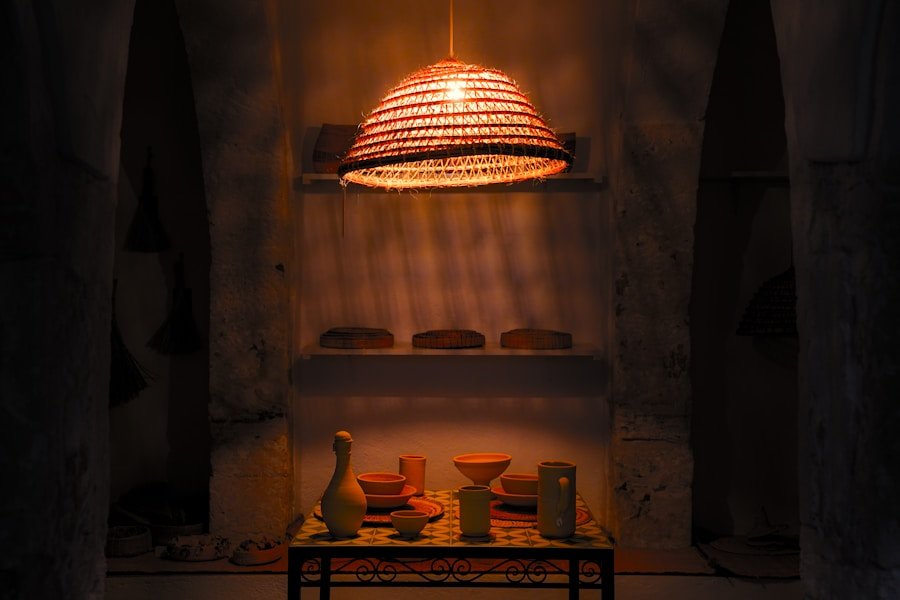
The convergence of luxury and sustainability in interior design is gaining prominence in Dubai, a city known for its architectural ambition and discerning clientele. This article examines the increasing integration of eco-friendly furniture within Dubai’s high-end interiors, exploring the drivers, characteristics, and implications of this trend.
The Shifting Sands: Dubai’s Evolving Luxury Landscape
Dubai’s luxury market, traditionally characterized by opulence and sometimes extravagance, is undergoing a nuanced transformation. While a desire for high-quality, aesthetically pleasing goods remains constant, there is a discernible shift towards products and practices that align with broader ethical and environmental concerns. This evolution is not a wholesale abandonment of luxury, but rather a redefinition, where responsibility is increasingly woven into the fabric of exclusivity.
From Gilded Age to Green Edge: A Demand-Side Analysis
The drivers behind this shift are multifaceted. A more globally aware consumer base, exposed to international sustainability discourse, is increasingly seeking products that reflect these values. This extends beyond individual consumer choice to corporate social responsibility mandates impacting commercial and hospitality ventures within the Emirate. Developers and designers are noting a rising demand for spaces that, while luxurious, also demonstrate a commitment to environmental stewardship. This demonstrates a maturation in the market, moving beyond superficial displays towards intrinsic value.
The Emirate’s Ambitions: Policy and Perception
Dubai’s strategic initiatives, such as the UAE Vision 2021 and its focus on a green economy, provide a governmental impetus for sustainable practices. While these policies are broad, their influence filters down to various sectors, including construction and interior design. The pursuit of LEED certification for buildings, for example, inherently encourages the selection of sustainable materials and furnishings. This top-down influence, coupled with bottom-up consumer demand, creates a fertile ground for the growth of eco-friendly furniture.
Defining Sustainable Furniture in a Luxury Context
The term “sustainable furniture” in a luxury context carries specific connotations. It transcends mere recycled content, encompassing a holistic approach to a product’s lifecycle, from material sourcing to end-of-life considerations. For the luxury consumer, compromise on aesthetics or durability is typically not acceptable, meaning sustainable solutions must meet or exceed traditional standards.
Material Alchemy: From Waste to Wonder
The selection of materials forms the bedrock of sustainable furniture. This involves a deliberate move away from virgin, resource-intensive materials towards alternatives with a lower environmental footprint.
Reclaimed and Recycled: Giving Materials a Second Life
Reclaimed wood, salvaged from old buildings or industrial structures, offers a rich patina and unique character impossible to replicate with new timber. Recycled metals, glass, and plastics are also increasingly being integrated, often undergoing sophisticated processing to achieve high-end finishes suitable for luxury environments. Consider the transformation of discarded fishing nets into durable, aesthetically pleasing textiles, or the repurposing of industrial waste into innovative composite materials. These examples illustrate a poetic transformation, where discarded elements are resurrected into objects of beauty and utility.
Renewable Resources: The Evergreen Choice
Fast-growing, renewable resources like bamboo, cork, and certain types of responsibly harvested timber are also prominent. Their rapid regeneration cycles make them a more sustainable alternative to slow-growing hardwoods. The focus here is on certified sourcing, ensuring that forests are managed in a way that preserves biodiversity and ecological balance.
Low-Impact Manufacturing: The Invisible Hand
Beyond the materials themselves, the manufacturing processes are critical. This includes minimizing energy consumption, reducing water usage, and eliminating harmful chemicals in glues, finishes, and dyes. Manufacturers employing closed-loop systems, where waste products are reintegrated into the production cycle, represent the pinnacle of this commitment. This unseen effort is as crucial as the visible aesthetics of the final product.
Aesthetics and Craftsmanship: The Art of Sustainable Luxury
For luxury furniture, sustainability cannot come at the expense of aesthetic appeal or craftsmanship. Indeed, many eco-friendly practices enhance these qualities, offering unique textures, narratives, and bespoke finishes.
The Hand of the Artisan: Crafting with Conscience
Artisanal techniques, often involving less energy-intensive processes than mass production, are frequently employed in sustainable luxury furniture. Hand-carving, ethical weaving, and meticulously applied natural finishes contribute to the uniqueness and intrinsic value of these pieces. The tactile quality and individual character of handcrafted items resonate deeply with luxury consumers seeking authenticity. Each piece becomes a unique fingerprint, bearing the mark of its creator.
Design for Longevity: Built to Last
A cornerstone of sustainability, particularly in luxury, is durability. Furniture designed and constructed to withstand the test of time reduces the need for frequent replacement, thereby diminishing resource consumption. This implies robust construction techniques, high-quality joinery, and materials chosen for their resilience. Investment in high-quality, enduring furniture transforms it from a disposable item into a generational heirloom.
Natural Finishes: Beauty Without Compromise
The use of natural oils, waxes, and water-based lacquers instead of volatile organic compound (VOC)-emitting chemical finishes is another key aspect. These finishes not only protect the material but also enhance its natural beauty while contributing to improved indoor air quality, a growing concern in luxury interiors.
Local Sourcing and Ethical Production: Beyond the Product
The geographical origin of materials and the ethical treatment of workers are integral components of sustainable furniture. In a globalized market, transparency in the supply chain is paramount.
Reducing the Carbon Footprint: Localizing Production
Sourcing materials and manufacturing furniture closer to the point of consumption significantly reduces transportation-related carbon emissions. While Dubai’s manufacturing capabilities for high-end furniture may be nascent compared to established European hubs, a focus on regional sourcing within the UAE and the broader GCC is emerging. This also fosters local economies and reduces reliance on distant supply chains.
Fair Labor and Transparency: A Moral Compass
Ethical production ensures that workers involved in every stage of the furniture’s creation are treated fairly, paid living wages, and operate in safe working conditions. Certifications from organizations like the Fair Trade Federation or verifiable ethical supply chain management are increasingly sought after by discerning buyers. This ethical dimension adds another layer of value, transforming a purchase into a statement of social responsibility.
Integrating Sustainable Furniture into Dubai’s Luxury Interiors
| Year | Number of Eco-Friendly Furniture Brands | Percentage of Eco-Friendly Furniture Sales |
|---|---|---|
| 2015 | 10 | 5% |
| 2016 | 15 | 8% |
| 2017 | 20 | 12% |
| 2018 | 25 | 15% |
| 2019 | 30 | 18% |
The practical application of eco-friendly furniture within Dubai’s luxury projects requires careful consideration, blending innovative design with functional requirements and client expectations.
Case Studies: Pioneering Projects
Several prominent developments in Dubai are actively incorporating sustainable furniture. While specific brand names may be proprietary, examples include residential towers aiming for LEED Platinum certification, which mandate the use of low-VOC finishes and sustainably sourced materials for built-in cabinetry and loose furniture. High-end hospitality projects are also increasingly featuring bespoke furniture crafted from reclaimed materials or incorporating innovative recycled elements. These projects act as beacons, illuminating the path for broader adoption.
The Designer’s Role: Curating Conscious Spaces
Interior designers play a pivotal role in guiding clients towards sustainable choices. This involves educating clients on the benefits of eco-friendly furniture, navigating the complexities of certifications, and sourcing reputable suppliers. Designers are acting as interpreters, translating client aspirations into tangible, sustainable realities. Their expertise helps to demystify sustainability, making it an accessible and attractive option for luxury consumers.
Challenges and Opportunities: Navigating the New Frontier
Despite growing interest, challenges persist. The perceived higher cost of sustainably produced goods, though often offset by longevity, can be a hurdle. The availability of diverse, high-quality sustainable options within the local market is also evolving. However, these challenges represent opportunities for innovation, for local manufacturers to rise to the demand, and for designers to push boundaries. The market is ripe for growth, waiting for entrepreneurial spirit to fully unlock its potential.
The rise of eco-friendly furniture in Dubai’s luxury interiors is not merely a fleeting trend; it represents a fundamental shift in values within a dynamic market. As environmental consciousness deepens globally, and as consumer expectations evolve, the integration of sustainable practices will become not just an option, but a standard expectation in luxury design. This movement is shaping a future where opulence and responsibility coexist, creating spaces that are not only beautiful but also ethically sound.