
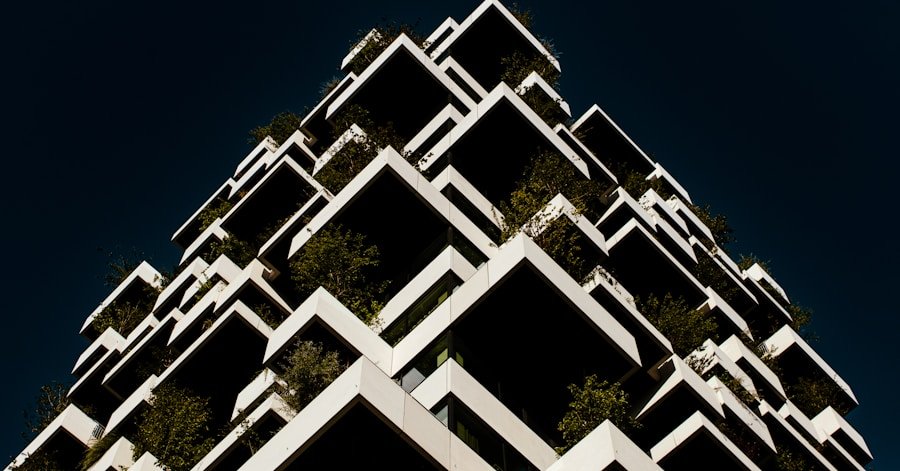
Dubai’s burgeoning creative sector continually seeks environments that foster innovation and align with growing global awareness of environmental responsibility. Co-working spaces have emerged as a vital resource, providing flexible infrastructure and community for startups and established creative firms alike. This article explores Dubai’s leading green-certified co-working spaces, examining their features, sustainability credentials, and suitability for companies focused on creative endeavors.
The Rise of Green Co-Working in Dubai
The concept of co-working has transformed the traditional office model, offering tailored solutions to a diverse range of businesses. In Dubai, this evolution is increasingly intertwined with a commitment to sustainability. As the city continues to develop, incorporating environmentally conscious practices into its urban fabric is becoming a priority. Green-certified co-working spaces represent a tangible manifestation of this commitment, offering a workspace that not only supports productivity but also minimizes its ecological footprint. These spaces act as beacons, demonstrating that business growth and environmental stewardship can go hand-in-hand. For creative businesses, the adoption of such spaces can further enhance their brand image and resonate with their target audiences, many of whom are increasingly prioritizing ethical consumption.
Defining Green Certification for Co-Working Spaces
Green certification for commercial buildings, including co-working spaces, typically refers to adherence to established standards that assess environmental performance. These certifications are awarded by independent bodies after rigorous evaluation of a building’s design, construction, and operational practices. The goal is to ensure that a space meets specific criteria for energy efficiency, water conservation, waste management, indoor environmental quality, and the use of sustainable materials. Notable certification systems commonly applied globally and increasingly in the UAE include LEED (Leadership in Energy and Environmental Design), BREEAM (Building Research Establishment Environmental Assessment Method), and Estidama (Abu Dhabi’s sustainability framework, though less common for Dubai-specific certifications, its principles influence regional development).
Why Creative Businesses Benefit from Green Spaces
Creative businesses, in particular, can find significant advantages in utilizing green-certified co-working spaces. The very nature of creative work often involves a deep connection to aesthetics and an appreciation for well-designed, inspiring environments. Green spaces, with their emphasis on natural light, biophilic design elements (incorporation of nature), and improved air quality, can foster a more conducive atmosphere for ideation and problem-solving. Beyond the immediate environmental benefits, a commitment to sustainability can also serve as a powerful differentiator for creative brands. It signals a forward-thinking ethos, appealing to clients and talent who are increasingly conscious of corporate responsibility. Furthermore, the community aspect of co-working, when situated within a sustainable framework, can foster a collective engagement with environmental initiatives, creating a synergistic effect.
Key Features of Sustainable Co-Working Environments
Sustainable co-working spaces are not merely about applying a green label; they are designed and operated with a core philosophy of environmental responsibility. This translates into concrete features that impact both the operational efficiency of the space and the experience of its occupants. These environments are often distinguished by their thoughtful integration of technology and design to achieve ambitious sustainability goals.
Energy Efficiency: The Foundation of Greener Workspaces
Energy consumption is a significant contributor to a building’s environmental impact. Green-certified co-working spaces prioritize energy efficiency through a variety of strategies. This includes the use of high-performance insulation to minimize heat gain or loss, energy-efficient lighting systems such as LEDs with occupancy sensors and daylight harvesting controls, and intelligent HVAC (Heating, Ventilation, and Air Conditioning) systems that optimize temperature and airflow based on actual occupancy and external conditions. The design often incorporates strategies to maximize natural light, reducing reliance on artificial illumination during daytime hours. Smart building management systems play a crucial role, allowing for real-time monitoring and adjustment of energy usage, much like a conductor guiding an orchestra to harmonious performance.
Advanced Lighting Solutions
The selection and implementation of lighting are critical. Low-energy LED fixtures are standard, offering superior efficiency and longevity compared to older technologies. Occupancy sensors ensure that lights are only on when a space is in use, preventing wasted energy in unoccupied meeting rooms or private offices. Daylight harvesting systems further enhance efficiency by automatically dimming or switching off artificial lights when sufficient natural light is detected. This not only conserves energy but also contributes to a more pleasant and natural working environment.
Smart HVAC Systems
Heating, ventilation, and air conditioning systems are major energy consumers. Green spaces utilize smart HVAC technologies that go beyond simple thermostat control. These systems can learn occupancy patterns, adjust ventilation rates based on CO2 levels, and optimize heating and cooling cycles to minimize energy expenditure. Zoning capabilities allow for different areas to be conditioned independently, further reducing waste. The aim is to provide optimal comfort without unnecessary energy draw, ensuring a consistent and healthy indoor climate.
Water Conservation Strategies
Water is a precious resource, and its responsible management is a hallmark of sustainable design. Green-certified co-working spaces implement measures to reduce water consumption. This typically includes the installation of low-flow fixtures in restrooms and kitchens, such as faucets and toilets. Water-efficient landscaping, if applicable, often utilizes drought-tolerant native plants that require minimal irrigation. Some facilities may also incorporate rainwater harvesting systems for non-potable uses like irrigation or toilet flushing, further contributing to water conservation.
Low-Flow Fixtures
The simple act of upgrading to low-flow faucets, showerheads, and toilets can lead to substantial water savings over time. These fixtures are designed to deliver a satisfactory user experience while significantly reducing the volume of water used per minute or flush. Their widespread adoption is a fundamental step in reducing the overall water footprint of an office environment.
Rainwater Harvesting and Greywater Recycling
More advanced sustainable spaces may integrate systems for rainwater harvesting, collecting precipitation for non-potable uses. Greywater recycling, which treats wastewater from sinks and showers for reuse in irrigation or toilet flushing, represents another level of water stewardship. These systems, while requiring more initial investment, demonstrate a deep commitment to resource efficiency.
Sustainable Materials and Waste Management
The choice of materials and the approach to waste management are integral to the sustainability profile of any building. Green-certified spaces prioritize the use of materials that are recycled, renewable, locally sourced, or have low volatile organic compound (VOC) emissions, contributing to better indoor air quality. Robust waste management programs are also essential, aiming to minimize landfill waste through comprehensive recycling and composting initiatives. These spaces act as responsible stewards of resources, from the building’s construction to its daily operations.
Recycled and Renewable Materials
The selection of building materials is a conscious decision. Green spaces often feature furniture and finishes made from recycled content, such as reclaimed wood, recycled plastics, or post-consumer recycled metals. The use of rapidly renewable materials like bamboo, or sustainably harvested timber, further reduces the environmental impact. By prioritizing these materials, co-working spaces contribute to a circular economy and reduce demand for virgin resources.
Indoor Air Quality (IAQ)
Maintaining excellent indoor air quality is paramount for occupant health and productivity. Green-certified spaces achieve this through careful selection of low-VOC paints, adhesives, sealants, and furnishings. Ventilation systems are designed to ensure adequate fresh air supply, and air filtration systems are maintained to remove pollutants. The emphasis on natural materials also contributes to a healthier indoor environment, free from off-gassing chemicals.
Comprehensive Recycling and Composting Programs
Beyond standard recycling bins, effective waste management in these spaces involves clear signage, accessible collection points, and educational initiatives to encourage occupant participation. Programs often extend to composting organic waste from kitchens and break rooms, diverting significant amounts of material from landfills and contributing to nutrient cycles.
Dubai’s Leading Green-Certified Co-Working Spaces for Creatives
Dubai’s commitment to sustainability is reflected in the growing number of co-working spaces that have achieved green certification. These venues offer more than just desks; they provide an environment that nurtures innovation while adhering to stringent environmental standards. For creative businesses seeking to align their operations with their values, these spaces present compelling options.
[Space Name 1]: A Hub for Eco-Conscious Innovation
[Space Name 1], located in [District], has established itself as a prominent example of sustainable co-working. The facility boasts LEED Platinum certification, signifying its exceptional performance in environmental design and operation. Upon entering, visitors are met with an abundance of natural light, a direct result of the building’s architects prioritizing large windows and an open-plan layout. The use of recycled materials is evident throughout, from the reclaimed wood furniture in the common areas to the recycled content flooring.
Energy-Efficient Design and Operation
The energy systems at [Space Name 1] are designed for maximum efficiency. A sophisticated building management system monitors and controls lighting and HVAC, ensuring optimal performance with minimal energy draw. Occupancy sensors are strategically placed to deactivate lights in unused zones, and the HVAC system dynamically adjusts based on real-time occupancy data and external weather conditions. This proactive approach to energy management significantly reduces the space’s carbon footprint.
Water-Saving Initiatives
Water conservation is another key aspect of [Space Name 1]’s sustainability strategy. All restrooms are equipped with low-flow fixtures, and the landscaping outside utilizes drought-tolerant plants that require minimal irrigation. The facility also proudly displays its commitment to responsible water usage, educating members on the importance of conservation in their daily routines.
A Community Focused on Sustainability
Beyond its physical attributes, [Space Name 1] fosters a community that actively engages with sustainability. Regular workshops and events are organized to educate members on environmental best practices, and a comprehensive recycling and composting program is in place, making it easy for businesses to align their daily operations with green principles.
[Space Name 2]: Integrating Nature and Productivity
[Space Name 2], situated in [District], has earned BREEAM certification, highlighting its commitment to creating a healthy and environmentally sound workspace. This co-working space emphasizes biophilic design, incorporating elements of nature into its interior to enhance well-being and creativity. Large indoor plants, natural materials, and strategic placement of communal areas near green spaces or balconies contribute to a vibrant and inspiring atmosphere.
Biophilic Design Principles
The integration of nature is not merely aesthetic at [Space Name 2]. The design actively seeks to connect occupants with the natural world, a principle known as biophilia. This includes maximizing views of green spaces, using natural light extensively, and incorporating natural textures and patterns. Studies have shown that such environments can reduce stress, boost creativity, and improve overall cognitive function.
Advanced Air Filtration and Ventilation
Maintaining superior indoor air quality is a priority at [Space Name 2]. The building’s HVAC system features advanced multi-stage air filtration, effectively removing allergens and pollutants. Coupled with a well-managed ventilation system that ensures a constant supply of fresh air, this creates a healthy and comfortable working environment, crucial for extended periods of creative work.
Commitment to Waste Reduction
[Space Name 2] implements a rigorous waste management program. Beyond standard recycling, the space actively promotes the reduction of single-use plastics and provides clear guidelines for waste separation. Partnerships with local organizations for the responsible disposal or repurposing of materials further underscore their commitment to a circular economy.
[Space Name 3]: A Sustainable Ecosystem for Growth
[Space Name 3], located in the heart of [District], holds [Specific Green Certification, if known, or describe sustainability features that align with certification principles]. This space is designed to be more than just an office; it aims to be a sustainable ecosystem where creative businesses can thrive. Its design incorporates a blend of energy-efficient technologies and natural elements to create a balanced and productive workspace.
Resource Optimization
The operational philosophy at [Space Name 3] revolves around resource optimization. This includes smart energy management systems that monitor consumption and identify areas for improvement, as well as water-saving fixtures and practices throughout the facility. The goal is to minimize the environmental impact of daily operations without compromising on comfort or functionality.
Locally Sourced and Sustainable Furnishings
When furnishing its spaces, [Space Name 3] prioritizes locally sourced and sustainable options. This not only reduces the carbon footprint associated with transportation but also supports local economies and the use of materials with lower environmental impact. This commitment extends to office supplies and amenities, where the focus is on reusable and eco-friendly alternatives.
Fostering a Green Business Community
[Space Name 3] actively cultivates a community of like-minded businesses. Through networking events, workshops focused on sustainability, and internal initiatives, members are encouraged to share best practices and collaborate on environmentally conscious projects. This creates a synergistic environment where businesses can grow together, both in terms of their creative output and their commitment to the planet.
Evaluating Sustainability Certifications and Their Relevance
When considering a co-working space, understanding the significance of its green certification or its stated sustainability practices is crucial. These certifications provide a standardized framework for assessing a building’s environmental performance, offering a degree of assurance to businesses that their chosen workspace aligns with their values.
Understanding LEED, BREEAM, and Other Frameworks
LEED (Leadership in Energy and Environmental Design) and BREEAM (Building Research Establishment Environmental Assessment Method) are globally recognized green building rating systems. They assess projects across a range of sustainability categories, including location and transportation, sustainable sites, water efficiency, energy and atmosphere, materials and resources, and indoor environmental quality. Each system uses a points-based approach to award certification levels, such as Certified, Silver, Gold, and Platinum (for LEED) or Pass, Good, Very Good, Excellent, and Outstanding (for BREEAM). Other regional or more specialized certifications may also exist, each with its own set of criteria.
LEED (Leadership in Energy and Environmental Design)
LEED, developed by the U.S. Green Building Council, is one of the most widely used green building rating systems globally. It offers a framework for designing, constructing, and operating some of the world’s most efficient and comfortable buildings. The certification process involves a comprehensive review of a project’s design and construction documentation to verify performance against established environmental benchmarks.
BREEAM (Building Research Establishment Environmental Assessment Method)
BREEAM, originating in the UK, is another robust assessment method for the environmental performance of buildings. It covers a wide range of sustainability issues, from energy to social impacts, and has been adapted for use in many countries. BREEAM certifications are recognized for their thoroughness and their focus on raising the standard of sustainable building practice.
The Importance of Third-Party Verification
Third-party verification is a cornerstone of reputable green certifications. It ensures that the claims made by a building owner or developer regarding its environmental performance have been independently assessed and validated by qualified professionals. This process adds credibility and reliability to the certification, assuring businesses that the space genuinely meets the defined sustainability standards. Without independent verification, sustainability claims can be subjective and less meaningful.
Beyond Certification: Operational Practices Matter
While certification provides a strong foundation, the day-to-day operational practices of a co-working space are equally important. A space might have achieved a high level of certification, but if recycling bins are poorly managed or energy-saving measures are not consistently implemented, its actual environmental performance can be diminished. Businesses should inquire about the ongoing operational strategies, waste management policies, and community engagement initiatives related to sustainability. This holistic view ensures that the commitment to green practices is embedded throughout the organization.
Choosing the Right Green-Certified Co-Working Space for Your Creative Business
| Co-Working Space | Location | Green Certifications | Amenities |
|---|---|---|---|
| The Cribb | Al Quoz | LEED Gold | Outdoor terrace, meeting rooms, cafe |
| A4 Space | Alserkal Avenue | LEED Platinum | Art gallery, event space, library |
| Nook | Al Barsha | Estidama 3 Pearl | Yoga studio, meditation room, organic cafe |
Selecting the ideal co-working space is a strategic decision for any creative business. When sustainability is a priority, the number of potential venues narrows, but the quality of the environment and the alignment with business values can significantly improve. The process involves careful consideration of various factors beyond just the green credentials.
Assessing Your Business’s Specific Needs
Before evaluating potential spaces, a clear understanding of your business’s requirements is essential. Consider the size of your team, your need for private offices versus open-plan desks, the frequency of client meetings, and the specific technological infrastructure you require. Also, think about the desired atmosphere – do you thrive in a buzzing creative hub or a more tranquil, focused environment? Understanding these core needs will help you filter options more effectively.
Team Size and Workspace Requirements
The number of individuals in your team will directly influence the type of workspace configuration you need. Smaller teams might benefit from flexible hot-desking or dedicated co-working tables, while growing businesses may require private offices or dedicated team rooms. Ensure the chosen space can accommodate your current needs and offers scalability for future growth.
Amenities and Facilities
Beyond basic desk space, consider the amenities that are crucial for your business operations. This could include high-speed internet, meeting rooms equipped with A/V technology, podcasting studios, maker spaces, or even quiet zones for focused work. Many green-certified spaces also offer community kitchens and networking areas, which can foster collaboration and social interaction.
Location and Accessibility Considerations
The location of a co-working space can significantly impact your team’s commute and your ability to attract clients. Look for spaces that are well-connected by public transport, reducing reliance on private vehicles and their associated emissions. Proximity to amenities such as cafes, restaurants, and retail areas can also enhance the daily experience for your team.
Public Transportation Links
Accessibility via public transport is a key indicator of a space’s commitment to reducing its environmental footprint as well as its overall convenience for members. Research the nearest metro stations, bus routes, and tram lines. Consider the travel time from key residential areas or other business districts.
Proximity to Clients and Suppliers
For businesses that frequently interact with clients or suppliers, the geographic location of the co-working space is paramount. A central location or one within easy reach of your primary stakeholders can streamline business operations and reduce travel time and associated costs.
Community and Networking Opportunities
Co-working spaces are designed to foster a sense of community and provide networking opportunities. For creative businesses, being part of a collaborative environment can lead to valuable partnerships, inspiration, and skill-sharing. Look for spaces that actively promote interaction through events, forums, and shared spaces.
Networking Events and Workshops
Many green-certified co-working spaces organize regular networking events, workshops, and panel discussions. These gatherings provide valuable opportunities to connect with other professionals, learn new skills, and gain insights into various industries. For creative individuals, these events can spark new ideas and collaborations.
The Impact of a Shared Ethos
When a co-working space prioritizes sustainability, it naturally attracts businesses that share a similar ethos. This creates a supportive and inspiring community where environmental responsibility is a common ground. This shared commitment can lead to collaborative projects, knowledge sharing on sustainable practices, and a stronger collective voice in advocating for eco-conscious business practices.
The Future of Sustainable Co-Working in Dubai’s Creative Landscape
The trajectory for sustainable co-working in Dubai points towards continued growth and innovation. As environmental consciousness becomes more deeply embedded in business strategy and consumer expectation, these eco-friendly workspaces are poised to become the standard rather than the exception. The creative sector, with its inherent drive for progress and its often forward-looking perspective, is ideally positioned to lead this transition.
Evolving Technologies and Design Innovations
The definition of a “green” building is constantly evolving with advancements in technology and architectural design. Future sustainable co-working spaces in Dubai can be expected to incorporate even more sophisticated energy management systems, utilizing artificial intelligence for peak efficiency. Innovations in sustainable materials, such as self-healing concrete or advanced recycled composites, will further reduce the environmental impact of construction and maintenance. The integration of renewable energy sources, like building-integrated photovoltaics (BIPV), will likely become more prevalent, moving these spaces towards net-zero energy consumption.
The Growing Demand from Conscious Consumers and Talent
As consumers become more discerning and aware of the environmental impact of their choices, businesses that demonstrate a genuine commitment to sustainability will gain a competitive edge. This sentiment extends to talent acquisition, with a growing number of professionals, particularly within the creative industries, actively seeking employers and workspaces that align with their values. Green-certified co-working spaces provide a tangible demonstration of this commitment, making them attractive to both businesses and the individuals they employ. This creates a virtuous cycle, where demand for sustainable spaces drives further development and innovation in the sector.
Dubai’s Role as a Global Sustainability Leader
Dubai has set ambitious targets for sustainability as part of its broader vision for economic development and environmental stewardship. The proliferation of green-certified co-working spaces within the city is a significant contributor to these goals. By providing a model for sustainable business operations, these spaces not only support the growth of the creative economy but also position Dubai as a leader in fostering environmentally responsible urban development. The ongoing development and adoption of such spaces will be a key indicator of Dubai’s success in creating a resilient and forward-looking economic landscape for its creative industries and beyond.