
The following is an article about the rise of green tech startups in Dubai, written in a factual, Wikipedia-editor style.
Dubai’s Green Momentum
Dubai, a city often associated with rapid development and ambitious mega-projects, has increasingly positioned itself as a hub for innovation, particularly in the realm of sustainability. While its skyline is punctuated by towers reaching for the heavens, a parallel, quieter revolution is underway: the ascent of green technology startups. This burgeoning sector is not merely a trend; it is becoming a foundational pillar for the emirate’s future economic diversification and environmental resilience. The impetus for this shift stems from a confluence of factors, including significant government backing, a strategic geographical location, and a growing global imperative to address climate change.
Dubai’s commitment to a sustainable future is enshrined in various strategic frameworks. The Dubai Clean Energy Strategy 2050, for instance, outlines an ambitious target of generating 75% of Dubai’s total power capacity from clean energy sources by 2050. This overarching vision acts as a powerful magnet, attracting and nurturing startups that offer solutions aligned with these objectives. This strategic alignment provides a fertile ground for innovation, transforming abstract environmental goals into tangible business opportunities. The city is not simply talking about sustainability; it is building the infrastructure and the ecosystem to make it a reality.
The global surge in environmental consciousness has also played a crucial role. Investors and consumers alike are increasingly prioritizing eco-friendly products and services. Startups that address pressing issues such as renewable energy generation, waste management, water conservation, and sustainable transportation are thus tapping into a growing market. Dubai, with its outward-looking economy and predisposition towards embracing new technologies, is ideally situated to capitalize on this global demand. The city’s ambition is to not only meet its own sustainability needs but to become a global exporter of green solutions.
Government Initiatives and Policy Support
The Dubai government has taken an active role in fostering the growth of its green tech sector. This support is multifaceted, encompassing direct financial incentives, regulatory frameworks, and the creation of specialized innovation zones. Understanding these policy levers is essential to grasping the underlying dynamics of the sector’s expansion. The government’s commitment is not abstract; it translates into concrete programs and dedicated resources.
Dubai Green Fund
A notable example of direct financial support is the Dubai Green Fund, established with a significant capital injection. This fund is designed to provide venture capital and debt financing to businesses operating in the renewable energy and green technology sectors. Its aim is to bridge the funding gap that often hinders early-stage startups, allowing them to scale their operations and bring their innovations to market. The fund acts as a crucial lubricant for the green tech engine, ensuring that promising ideas do not stall due to financial constraints.
Innovation Hubs and Free Zones
Dubai has also strategically developed specialized free zones and innovation hubs that cater to technology-driven businesses, including those in the green sector. These zones offer benefits such as tax exemptions, full ownership, and streamlined business setup processes. They serve as incubators, providing a supportive environment where startups can collaborate, access mentorship, and connect with potential investors and industry partners. Examples include Dubai Silicon Oasis and Masdar City (though geographically in Abu Dhabi, its influence and collaboration with Dubai are significant in the broader UAE context). These hubs are like carefully cultivated gardens, designed to help nascent green technologies flourish.
Regulatory Frameworks and Compliance
Beyond financial and infrastructural support, the Dubai government has been proactive in developing regulatory frameworks that encourage the adoption of green technologies. This includes standards for energy efficiency, renewable energy procurement, and waste management. Clear regulations provide a predictable environment for businesses, reducing uncertainty and encouraging long-term investment. The government’s approach is to set the rules of the game in a way that favors sustainable practices, transforming regulatory compliance from a burden into a competitive advantage.
Key Sectors Driving Green Tech Innovation
The “green tech” umbrella is broad, encompassing a diverse range of solutions addressing various environmental challenges. In Dubai, several key sectors are emerging as particularly fertile ground for startup innovation. These are not isolated pockets but areas where interconnected solutions are being developed.
Renewable Energy Solutions
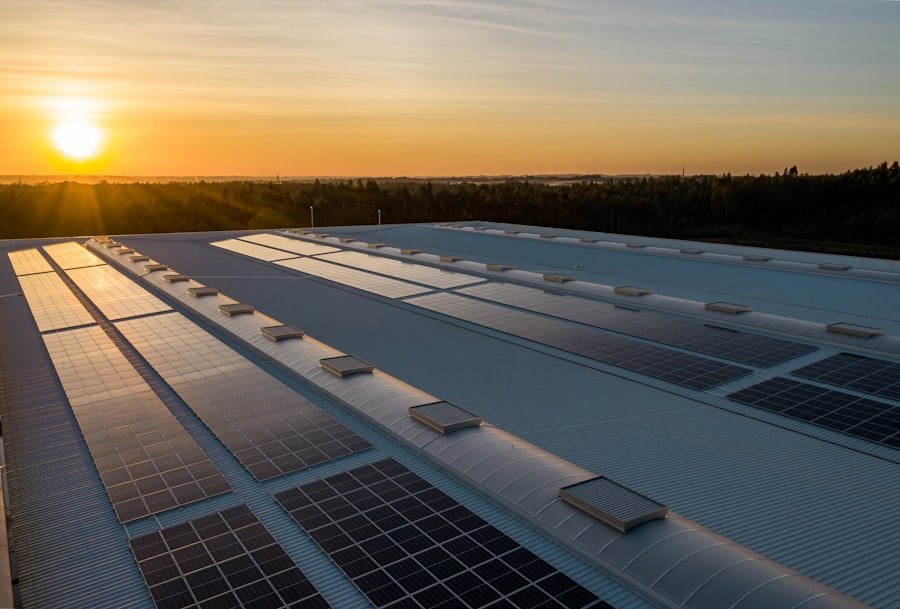
The most prominent area of growth is undoubtedly renewable energy. Dubai’s solar potential is immense, and startups are actively developing and deploying solutions to harness it more effectively. This includes advancements in solar panel technology, energy storage systems, smart grid solutions, and decentralized energy generation. The aim is to move beyond traditional power sources and embrace distributed, intelligent energy networks. These startups are like skilled artisans, crafting new ways to capture and utilize the sun’s power.
Solar Power Innovation
Startups are not only focused on installing solar panels but also on improving their efficiency and integrating them seamlessly into the urban landscape. This includes research and development into next-generation photovoltaic materials, building-integrated photovoltaics (BIPV), and advanced solar tracking systems. Furthermore, solutions for solar power forecasting and grid integration are critical to ensuring reliable energy supply.
Energy Storage Technologies
The intermittency of renewable energy sources necessitates robust energy storage solutions. Dubai-based startups are exploring various battery technologies, including advanced lithium-ion systems, flow batteries, and even hydrogen-based storage. The goal is to create systems that can store excess solar energy generated during the day for use at night or during periods of low solar output.
Waste Management and Circular Economy
Another critical area is waste management, with a strong focus on transitioning towards a circular economy. Startups are developing innovative approaches to reduce, reuse, and recycle waste, transforming it into valuable resources. This includes advanced sorting technologies, as well as solutions for industrial waste valorization and the creation of the bio-economy. The city is realizing that waste is not an end-point but a potential beginning.
Waste-to-Energy Technologies
Startups are exploring various technologies to convert waste into energy, providing a dual benefit of waste reduction and energy generation. This can include advanced incineration techniques with energy recovery, anaerobic digestion to produce biogas, and other biological treatment processes.
Recycling and Upcycling Innovations
Beyond traditional recycling, a focus is emerging on upcycling, where waste materials are transformed into higher-value products. This can involve plastics, textiles, and construction materials, with startups developing novel processes for creating new consumer goods, building materials, and industrial components.
Water Scarcity and Conservation
Water security is a paramount concern for arid regions like the UAE. Dubai’s green tech startups are at the forefront of developing solutions for efficient water use, desalination, and wastewater treatment. This includes smart irrigation systems, advanced water purification technologies, and water-saving appliances. The desert is fertile ground for innovative water solutions.
Advanced Desalination Technologies
While traditional desalination plants are a fixture, startups are working on more energy-efficient and environmentally friendly approaches. This involves exploring membrane technologies, solar-powered desalination, and hybrid systems that minimize the brine byproduct.
Smart Water Management Systems
These systems leverage IoT and data analytics to monitor water consumption, detect leaks, and optimize irrigation in agricultural and urban settings. The aim is to reduce water wastage and ensure efficient allocation of this precious resource.
Sustainable Transportation and Mobility
Dubai is a city heavily reliant on private vehicles. Green tech startups are contributing to a shift towards more sustainable transportation options. This includes the development of electric vehicle (EV) charging infrastructure, ride-sharing platforms with a focus on EVs and public transport, and innovations in micro-mobility solutions. The city is seeking to move beyond its asphalt arteries and embrace cleaner ways to navigate.
Electric Vehicle Infrastructure
This sector involves the development and deployment of charging stations, battery swapping solutions, and smart charging management systems to support the growing adoption of electric vehicles.
Integrated Mobility Platforms
Startups are creating platforms that integrate various modes of transportation, encouraging the use of public transport, ride-sharing, and micro-mobility options like e-scooters and e-bikes, with a focus on promoting eco-friendly choices.
Case Studies of Promising Green Tech Startups
The impact of Dubai’s green tech ecosystem can be best understood through the lens of its pioneering startups. These companies, often born from visionary ideas and supported by the city’s infrastructure, are demonstrating tangible solutions to real-world environmental challenges. Examining their journeys provides insight into the sector’s potential and trajectory.
The Solar Innovators
Consider a startup that has developed a novel solar panel coating that significantly enhances energy absorption even in low-light conditions. Initially facing challenges in securing manufacturing partnerships, they leveraged Dubai’s incentives for clean tech manufacturing and a dedicated innovation hub to refine their product. Their success has led to pilot projects with major real estate developers, integrating their technology into new buildings, thus reducing their reliance on grid electricity. This is a testament to how innovative materials can unlock new energy possibilities.
Waste-to-Resource Pioneers
Another example is a company that has engineered a decentralized waste-to-energy unit for residential communities. This unit processes organic waste to produce biogas for cooking and heating, while the residue is used as fertilizer. They partnered with a Dubai municipality initiative for waste reduction, which provided them with access to waste streams and a regulatory framework for their operations. Their model offers a scalable solution for urban waste management, reducing landfill dependency and creating local energy resources. They are essentially turning discarded matter into a source of value.
Water Conservation Leaders
A startup specializing in smart water management for urban agriculture has developed an AI-powered irrigation system that uses real-time weather data and soil moisture sensors to optimize water usage. They secured seed funding from the Dubai Green Fund and collaborated with local agricultural technology incubators. Their system has demonstrated significant water savings for farms in the region, proving that innovation can conserve precious resources in even the most challenging climates.
Sustainable Mobility Enablers
A company focused on developing and managing a network of smart EV charging stations across Dubai has partnered with charging infrastructure providers and local businesses. They have benefited from government mandates encouraging EV adoption and have developed a user-friendly app for locating and using charging points. Their growth is directly linked to the increasing number of electric vehicles on Dubai’s roads, creating a vital piece of the sustainable mobility puzzle.
Challenges and the Path Forward
While the trajectory of Dubai’s green tech sector is promising, it is not without its challenges. These hurdles are inherent to any nascent industry, particularly one so reliant on groundbreaking technology and market adoption. Navigating these challenges will be crucial for sustained success.
Market Penetration and Adoption
One of the primary challenges is achieving widespread market penetration for new green technologies. Educating consumers and businesses about the benefits and long-term value of sustainable solutions takes time and consistent effort. Overcoming established norms and inertia requires not only superior technology but also effective communication and demonstration of tangible returns on investment. This might involve offering attractive pilot programs or demonstrating clear cost savings over the lifecycle of a product.
Scalability and Access to Global Markets
While Dubai provides a supportive local ecosystem, scaling these startups to reach global markets presents its own set of complexities. This involves navigating international regulations, understanding diverse consumer needs, and establishing robust supply chains. The city’s strategic location and its role as a global trade hub can be leveraged, but requires a concerted effort to move beyond domestic success.
Talent Acquisition and Retention
The success of any technology sector is heavily dependent on skilled talent. Attracting and retaining specialized engineers, researchers, and business professionals in the green tech space can be competitive. Dubai is actively working to address this through educational initiatives and by promoting itself as a desirable place to live and work, but the demand for specialized skills remains a critical factor.
The Future: Dubai as a Green Innovation Hub
Despite these challenges, the outlook for Dubai’s green tech startups remains strong. The foundational elements are in place: government commitment, a supportive ecosystem, and a clear global imperative. The city has the potential to evolve from a demonstration ground for green technologies to a leading global exporter of sustainable solutions. This involves a continuous cycle of innovation, investment, and policy refinement. Dubai’s green tech journey is not a sprint; it is a marathon, and the initial strides have been exceptionally promising. The city is diligently weaving a tapestry of sustainable development, with green tech startups as its vibrant, future-proof threads.