
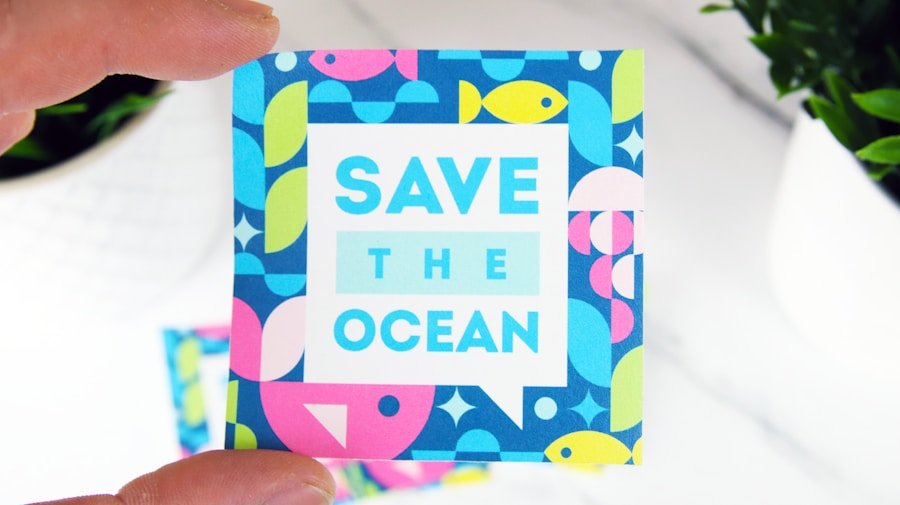
The Importance of Green Branding: How to Connect with Eco-Conscious Consumers
In contemporary commerce, the concept of “green branding” has transcended niche marketing to become a significant strategic imperative. This article explores the multifaceted importance of green branding and provides actionable insights for businesses seeking to effectively engage with the burgeoning demographic of eco-conscious consumers. Green branding, at its core, involves a company’s commitment to environmental sustainability, which is then communicated and integrated into all aspects of its identity, products, and services. It is not merely a marketing tactic but a fundamental aspect of corporate social responsibility that resonates deeply with a growing segment of the global populace.
The Shifting Consumer Landscape
The global consumer base is undergoing a profound transformation. Awareness of environmental degradation, climate change, and resource depletion is at an all-time high. This heightened awareness is translating into purchasing decisions, compelling businesses to re-evaluate their operational paradigms and communication strategies.
Rising Environmental Concerns
Public discourse on environmental issues, fueled by scientific reports, media coverage, and activist movements, has fostered a heightened sense of urgency. Consumers are increasingly connecting their purchasing habits with their environmental impact. This connection is not abstract; it manifests in a tangible desire for products and services that minimize harm to the planet. Consider the increasing demand for electric vehicles, plant-based diets, and renewable energy sources. These are not passing fads but indicators of a fundamental shift in consumer values.
The Influence of Social Media and Information Access
The internet and social media platforms have democratized information, allowing consumers unprecedented access to details about production processes, supply chains, and corporate practices. A company’s environmental footprint is no longer a hidden secret but a public record. This transparency acts as a powerful amplifier for both positive and negative environmental reputations. A single exposé on unsustainable practices can inflict significant reputational damage, while demonstrable commitments to sustainability can garner widespread support. This new information ecosystem requires businesses to maintain a consistent and verifiable commitment to their green claims.
Generational Differences in Values
Younger generations, particularly Millennials and Generation Z, exhibit a pronounced preference for brands that align with their ethical and environmental values. For these demographics, a company’s environmental stance is often as important as its product quality or price. They are more likely to research a company’s environmental record and to boycott brands perceived as environmentally irresponsible. This demographic shift represents a long-term trend, indicating that green branding will only grow in importance as these generations gain more purchasing power. Ignoring these evolving values would be akin to a ship sailing against the prevailing current – a costly and ultimately unproductive endeavor.
Defining Green Branding
Green branding extends beyond simple eco-friendly product labeling. It encompasses a holistic approach to business that integrates environmental responsibility into its DNA.
Beyond Greenwashing: Authenticity and Transparency
A critical distinction must be drawn between genuine green branding and “greenwashing.” Greenwashing is the act of deceiving consumers into believing that a company’s products or services are environmentally friendly when they are not. This practice, often characterized by vague claims and misleading imagery, is increasingly scrutinized and can lead to significant reputational damage and consumer distrust. Authentic green branding, conversely, is built on verifiable actions, transparent reporting, and a demonstrable commitment to environmental stewardship. It is a commitment that permeates the entire organizational structure, from sourcing raw materials to end-of-life product management.
Environmental, Social, and Governance (ESG) Criteria
Green branding is often intertwined with broader Environmental, Social, and Governance (ESG) criteria. These criteria provide a framework for evaluating a company’s impact on society and the environment, as well as its internal governance practices. Investors, regulators, and consumers are increasingly utilizing ESG metrics to assess a company’s long-term sustainability and ethical standing. A strong green brand typically reflects robust performance across various ESG indicators, signaling a holistic commitment to responsible business practices. This comprehensive approach is no longer merely a “nice-to-have” but a fundamental expectation for many stakeholders.
Communicating Environmental Values
Effective green branding requires clear, consistent, and articulate communication of a company’s environmental values. This is not about making exaggerated claims but about presenting verifiable efforts towards sustainability. This communication should be integrated into all marketing channels, from packaging and advertising to corporate websites and social media. The language used should be accessible and understandable, avoiding jargon that might alienate consumers. The narrative should focus on tangible benefits, both for the environment and for the consumer, such as resource conservation, reduced waste, or improved health outcomes.
Strategic Advantages of Green Branding
Embracing green branding offers a range of strategic advantages that can contribute to a company’s long-term success and resilience.
Enhanced Brand Reputation and Trust
In an era of skepticism and information overload, a strong environmental commitment can serve as a powerful differentiator. Brands perceived as environmentally responsible tend to enjoy higher levels of consumer trust and loyalty. This trust can act as a buffer during times of crisis and can foster a deeper emotional connection with consumers. A positive environmental reputation can also attract top talent, as employees increasingly seek employers whose values align with their own.
Competitive Differentiation and Market Share
As more companies enter the green market, genuine green branding can provide a significant competitive advantage. It allows a business to stand out in a crowded marketplace by appealing to a segment of consumers who actively seek out sustainable alternatives. This differentiation can translate into increased market share and pricing power, as eco-conscious consumers are often willing to pay a premium for products and services that align with their values. For example, brands that genuinely embrace fair trade and organic practices often command higher prices than their conventional counterparts.
Cost Savings and Operational Efficiency
Implementing sustainable practices often leads to unexpected cost savings and improved operational efficiency. Reducing waste, optimizing energy consumption, and sourcing local materials can all contribute to a leaner and more financially robust operation. For instance, investing in energy-efficient machinery not only reduces a company’s carbon footprint but also lowers utility bills over the long term. These operational efficiencies are not just environmental benefits; they are smart business practices.
Innovation and Product Development
A commitment to sustainability can spur innovation within a company. The challenge of developing environmentally friendly products and processes can lead to breakthroughs in material science, manufacturing techniques, and supply chain management. This focus on innovation can result in new product lines, enhanced product performance, and an overall more dynamic and forward-thinking organization. Necessity, in this context, becomes the mother of green invention.
Implementing Green Branding Strategies
Developing and implementing an effective green branding strategy requires a systematic and integrated approach.
Conducting an Environmental Audit
The initial step involves a thorough assessment of a company’s current environmental impact. This “environmental audit” provides a baseline understanding of resource consumption, waste generation, emissions, and supply chain practices. It is akin to a diagnostic check-up, identifying areas of weakness and opportunity. This audit should encompass all aspects of the business, from raw material procurement to product distribution and end-of-life management.
Setting Measurable Sustainability Goals
Based on the environmental audit, specific, measurable, achievable, relevant, and time-bound (SMART) sustainability goals should be established. These goals could include targets for reducing carbon emissions, minimizing waste, increasing renewable energy use, or sourcing sustainable materials. These goals should be publicly communicated and regularly reviewed to ensure accountability and progress. Vague aspirations are insufficient; concrete objectives are essential.
Integrating Sustainability into the Supply Chain
The supply chain represents a significant portion of a company’s environmental footprint. Green branding necessitates working collaboratively with suppliers to ensure ethical sourcing, reduced waste, and responsible manufacturing practices. This may involve supplier audits, incentivizing sustainable practices, and prioritizing suppliers who demonstrate strong environmental commitments. A chain is only as strong as its weakest link, and in green branding, that weakest link can often be found upstream in the supply chain.
Engaging Employees and Stakeholders
Successful green branding requires buy-in from all levels of an organization. Employees should be educated on the company’s sustainability goals and encouraged to contribute to environmental initiatives. Engaging stakeholders, including customers, investors, and local communities, can also foster a sense of shared responsibility and collaboration. Internally, a green culture must be cultivated, where sustainable practices are not just mandated but genuinely embraced.
Measuring and Communicating Green Branding Impact
| Metrics | Data |
|---|---|
| Percentage of eco-conscious consumers | 45% |
| Importance of sustainability in purchasing decisions | 78% |
| Brands with strong environmental credentials | 64% |
| Consumers willing to pay more for sustainable products | 72% |
Effective green branding is not static; it requires continuous measurement, adaptation, and transparent communication of progress.
Environmental Impact Reporting
Companies should regularly report on their environmental performance using recognized standards such as the Global Reporting Initiative (GRI) or the Sustainability Accounting Standards Board (SASB). These reports provide a transparent account of a company’s environmental footprint, progress towards sustainability goals, and challenges encountered. Such reporting builds credibility and allows stakeholders to objectively assess a company’s green credentials. This is not
merely a public relations exercise; it is an exercise in accountability.
Certifications and Standards
Obtaining third-party certifications (e.g., LEED for buildings, USDA Organic, Fair Trade) can bolster a company’s green credibility. These certifications provide independent verification of a company’s adherence to specific environmental or social standards, offering an external validation of internal claims. They act as a seal of approval, simplifying complex environmental information for consumers and building trust.
Customer Feedback and Engagement
Actively soliciting and responding to customer feedback on environmental matters is crucial. This engagement can provide valuable insights into consumer expectations and perceptions, allowing companies to refine their green branding strategies. Social media monitoring, surveys, and direct customer interactions can all serve as channels for gathering this feedback. This iterative process ensures that green branding remains responsive to the evolving nuances of eco-conscious consumerism.
Continuous Improvement
Green branding is not a destination but an ongoing journey. The environmental landscape, consumer expectations, and technological advancements are constantly evolving. Companies must embrace a philosophy of continuous improvement, regularly reviewing their practices, setting new goals, and adapting their strategies to remain at the forefront of sustainable business. The pursuit of sustainability is a perpetual cycle of evaluation, innovation, and refinement.
In conclusion, green branding is no longer an optional add-on but a fundamental component of modern business strategy. By embracing authenticity, transparency, and a genuine commitment to environmental stewardship, companies can not only enhance their reputation and gain a competitive edge but also contribute positively to global sustainability efforts. The eco-conscious consumer is a powerful force, and businesses that effectively connect with this demographic will be well-positioned for long-term prosperity.