
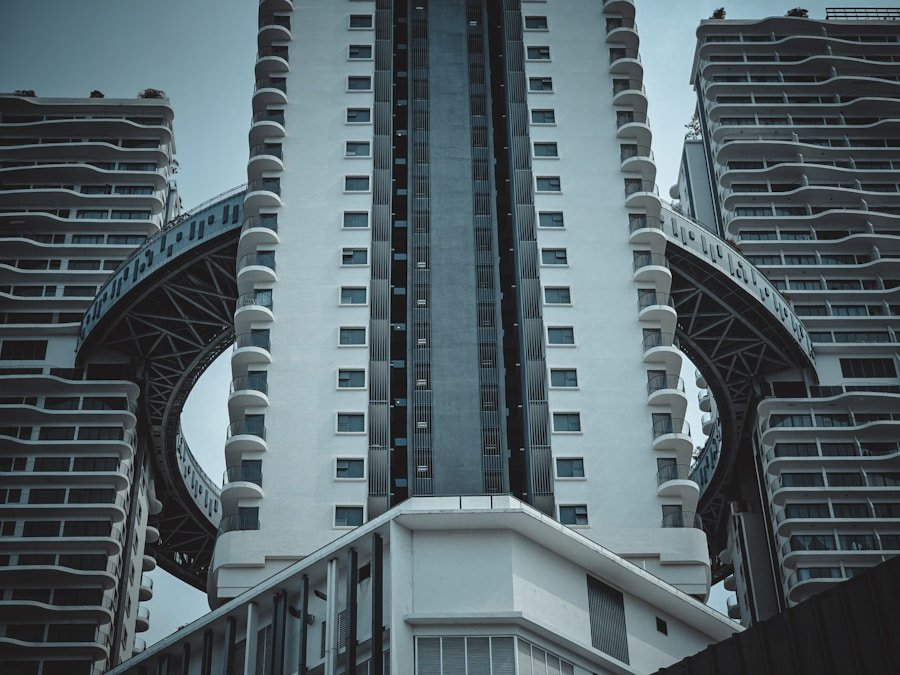
The concept of circularity, traditionally applied to economic models and resource management, is increasingly manifesting within urban development. This article explores the emergence of “circular urban projects,” a paradigm shift championed by luxury developers. These initiatives aim to decouple urban growth from resource depletion and waste generation, integrating principles of reuse, regeneration, and closed-loop systems into the built environment.
Defining Circular Urban Projects
A circular urban project, at its core, moves beyond the linear “take, make, dispose” model of traditional development. It envisions cities and communities as living organisms, where resources flow in continuous cycles, waste is minimized, and environmental impact is reduced. This approach encompasses various scales, from individual buildings to entire districts.
Core Principles of Circularity in Urbanism
Circular urban projects adhere to several key principles:
- Resource Efficiency and Optimization: This involves the judicious use of raw materials, energy, and water throughout the project lifecycle. It encompasses everything from sustainable sourcing to efficient building operations.
- Waste Minimization and Valorization: The goal is to design out waste from the outset. This includes strategies for construction and demolition waste diversion, as well as the creation of infrastructure for composting, recycling, and upcycling within the community.
- Renewable Energy Integration: Projects prioritize the adoption of renewable energy sources, such as solar, wind, and geothermal, to reduce reliance on fossil fuels.
- Ecosystem Regeneration and Biodiversity Enhancement: Circular urban projects often incorporate green infrastructure, promoting biodiversity, improving air and water quality, and providing ecosystem services.
- Adaptability and Longevity: Buildings and infrastructure are designed for flexibility and long lifespans, allowing for future changes in use and minimizing the need for premature demolition.
- Social Equity and Community Engagement: While often spearheaded by luxury developers, robust circular urban projects integrate social considerations, ensuring benefits are shared and local communities are involved in the process.
The Role of Luxury Developers
Luxury developers, often perceived as purveyors of exclusivity and high consumption, are increasingly leading the charge in circular urban development. Their involvement is not merely altruistic; it is driven by a confluence of factors, including evolving market demands, regulatory pressures, and a desire to differentiate their offerings.
Drivers for Luxury Developer Engagement
Several catalysts are propelling luxury developers towards circularity:
- Market Differentiation and Brand Value: In a competitive market, sustainable and circular design serves as a powerful differentiator, attracting discerning buyers who value environmental responsibility and long-term asset value.
- Investor Pressure and ESG Mandates: Institutional investors are increasingly scrutinizing environmental, social, and governance (ESG) performance. Luxury developers with robust circular strategies are more attractive to these investors.
- Regulatory Frameworks and Incentives: Governments worldwide are implementing stricter environmental regulations and offering incentives for sustainable development. Adhering to circular principles can streamline permitting processes and unlock financial benefits.
- Client Demand for Sustainable Lifestyles: High-net-worth individuals are increasingly conscious of their environmental footprint and seek residences and communities that align with their values.
- Long-Term Value Creation: While initial investments in circular infrastructure can be higher, they often lead to lower operational costs, enhanced resilience, and increased property values over the long term.
Overcoming Perceived Barriers
The transition to circular urban development presents certain challenges. Luxury developers, with their access to capital and willingness to innovate, are often better positioned to overcome these barriers.
- Initial Capital Investment: Circular design and construction often require higher upfront investments in sustainable materials, advanced technologies, and specialized expertise.
- Supply Chain Complexity: Establishing robust circular supply chains for salvaged materials and renewable resources can be intricate.
- Lack of Established Frameworks: While evolving, standardized frameworks and certifications for circular urban projects are still nascent in some regions.
- Skills Gap: A shortage of professionals with expertise in circular design, engineering, and material management can hinder implementation.
Case Studies and Emerging Trends
Examining existing projects provides insight into the practical application of circular urban design principles. While comprehensive “closed-loop” cities are still aspirational, various initiatives demonstrate significant progress.
The Amsterdam Zuidas: A Blueprint in Progress
The Zuidas business district in Amsterdam exemplifies a concerted effort toward circularity. While not exclusively a luxury development, it showcases principles that are adaptable to high-end projects.
- Modular Construction and Material Passports: Buildings are designed for disassembly, with materials cataloged in “passports” to facilitate future reuse and recycling.
- Smart Grid Integration: Advanced energy management systems and renewable energy sources are being integrated to optimize energy consumption.
- Green Infrastructure: Extensive green spaces, water management systems, and urban farming initiatives enhance biodiversity and resource management.
The Rise of Eco-Luxury Resorts and Communities
Outside traditional urban centers, luxury developers are pioneering circular principles in resort and residential communities, often with a greater degree of control over the entire ecosystem.
- Off-Grid Living and Self-Sufficiency: These developments often prioritize energy and water independence, utilizing solar arrays, rainwater harvesting, and advanced wastewater treatment systems.
- Bioclimatic Design: Buildings are designed to respond to local climate conditions, minimizing the need for artificial heating and cooling.
- Local Sourcing and Craftsmanship: Emphasis on locally sourced, non-toxic materials and traditional building techniques reduces embodied carbon and supports local economies.
Digital Twins and Predictive Analytics
Luxury developers are harnessing advanced technologies to optimize circular performance.
- Digital Twins: Virtual representations of urban projects allow for real-time monitoring of resource flows, energy consumption, and waste generation, enabling data-driven decision-making.
- Predictive Analytics: AI-powered tools forecast resource needs, optimize maintenance schedules, and identify opportunities for efficiency gains, moving from reactive to proactive management.
Challenges and Future Directions
Despite significant progress, the widespread adoption of circular urban projects faces remaining hurdles. Acknowledging these challenges is crucial for fostering continued innovation.
Policy Gaps and Regulatory Hurdles
While some regions have enacted progressive policies, a global, standardized regulatory framework for circular urban development is lacking. This creates inconsistencies and can impede cross-border collaboration.
- Valuation of Circular Assets: Current real estate valuation methodologies often struggle to adequately quantify the long-term environmental and social benefits of circular projects, impacting investment decisions.
- Permitting Challenges: Innovative circular approaches can sometimes fall outside existing building codes and permitting processes, requiring additional effort and advocacy.
The Need for Collaborative Ecosystems
No single entity can achieve comprehensive circularity. A collaborative approach involving multiple stakeholders is essential.
- Interdisciplinary Collaboration: Architects, engineers, urban planners, material scientists, and community representatives must work in unison from project inception.
- Supply Chain Innovation: Incentivizing and supporting the development of robust circular supply chains for construction materials, components, and services is paramount.
Bridging the Cost-Benefit Divide
While luxury developers may have greater financial flexibility, the widespread adoption of circular principles across all development tiers hinges on demonstrating clear long-term economic benefits.
- Life Cycle Costing: Emphasizing the total cost of ownership, including operational expenses and potential revenue from resource recovery, is critical.
- Performance-Based Contracts: Shifting from traditional lump-sum contracts to performance-based agreements that reward circular outcomes can incentivize innovation.
Ultimately, the rise of circular urban projects, spearheaded by luxury developers, signals a broader recognition of resource scarcity and environmental imperative. This trend, a vital recalibration of urban growth, represents more than a fleeting architectural style; it is a fundamental rethinking of how we build and inhabit our cities. As an informed reader, you understand that this shift is not without its complexities, but its potential to transform our built environment into a resilient, regenerative system is undeniable. It is a journey from the linear path of consumption towards the cyclical rhythm of nature itself.