
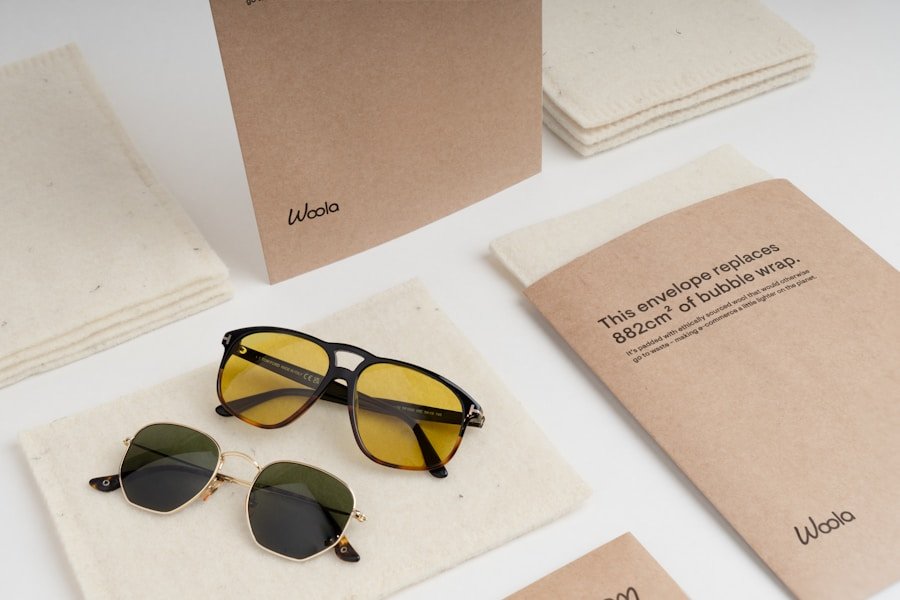
The increasing prominence of eco-luxury brands like Seals represents a significant shift in consumer behavior and market dynamics. This phenomenon is not a fleeting trend but a deeper realignment of values, where environmental consciousness and ethical production are becoming integral to purchasing decisions, particularly within the premium goods sector. Understanding the “rise of eco-luxury” requires examining the underlying societal changes, the strategies employed by these brands, and the specific appeal they hold for a growing segment of the consumer base.
Shifting Consumer Values: The Eco-Conscious Awakening
The modern consumer is not merely seeking products; they are seeking alignment between their personal values and their consumption patterns. This awakening, often referred to as the “eco-conscious awakening,” has been building for years, fueled by widespread awareness of environmental challenges such as climate change, resource depletion, and pollution.
The Influence of Information and Transparency
The digital age has provided consumers with unprecedented access to information. Social media, investigative journalism, and dedicated environmental watchdogs act as powerful lenses, illuminating the supply chains and production practices of corporations. This transparency, or the demand for it, has made it increasingly difficult for companies to operate with opaque or environmentally damaging methods without facing public scrutiny. Consumers are no longer content to take brand pronouncements at face value; they seek verification and evidence of genuine commitment to sustainability.
Consumer Due Diligence as a New Normal
Individuals now regularly research brands, looking into their sourcing, manufacturing processes, labor practices, and waste management. This due diligence has become a standard part of the purchasing journey, especially for those with disposable income who can afford to make more considered choices. The “eco-luxury” consumer is often at the forefront of this investigative mindset, scrutinizing brands that claim to be both high-quality and environmentally responsible.
Generational Shifts in Priorities
Millennials and Generation Z, in particular, have demonstrated a pronounced preference for brands that demonstrate social and environmental responsibility. These generations have grown up with the realities of climate change and are more inclined to integrate these concerns into their daily lives. Their purchasing power is growing, and their demand for sustainable options is shaping market trends across all sectors, including the luxury segment.
The “Purpose-Driven” Consumer
Beyond simply “doing good,” these generations are attracted to brands with a clear “purpose.” This purpose extends beyond profit to encompass a mission that resonates with their own ideals. Eco-luxury brands, by their very nature, often have a strong narrative centered around protecting the planet, conserving resources, and ethical production – a narrative that appeals directly to this demographic.
Defining “Eco-Luxury”: More Than Just a Label
The term “eco-luxury” itself is a hybrid, blending the aspirational qualities of luxury with the ethical considerations of ecological responsibility. It signifies a premium product or service that also adheres to stringent environmental and social standards. This duality is crucial to its appeal.
The Marriage of Premium Quality and Sustainability
Historically, consumers might have perceived a trade-off between luxury and sustainability – that is, you could have one or the other, but not both. Eco-luxury brands challenge this notion by demonstrating that sophisticated craftsmanship, high-quality materials, and exclusive design can coexist with, and even be enhanced by, ethical and environmentally sound practices.
Material Innovation and Sourcing as a Differentiator
The choice of materials is often a central tenet of eco-luxury branding. Instead of relying on conventional, resource-intensive materials, these brands explore innovative, sustainable alternatives. This includes recycled fabrics, organic fibers, bio-based materials, and ethically sourced natural elements. The narrative around these materials – their origin, their minimal environmental impact, and their inherent quality – becomes a key selling point.
The “Conscious” Choice: An Emotional and Intellectual Investment
Purchasing from an eco-luxury brand is not solely about acquiring an object; it’s about making a statement and investing in a set of values. The consumer feels a sense of satisfaction, knowing their purchase contributes positively, or at least minimizes negative impact, on the environment and society. This emotional and intellectual investment elevates the act of consumption beyond mere acquisition.
The Psychology of Ethical Consumption
The act of making an ethical purchase can trigger positive psychological responses. It can reinforce one’s self-identity as a responsible individual, enhance feelings of self-worth, and provide a sense of agency in addressing global challenges. For the eco-luxury consumer, this satisfaction is amplified by the premium nature of the product, creating a virtuous cycle of positive reinforcement.
The Seals Brand: A Case Study in Eco-Luxury Ascendancy
The brand “Seals,” while fictional for this discussion, serves as a representative example of the attributes and strategies that contribute to the success of eco-luxury brands in the current market. A brand like Seals would likely be characterized by a commitment to a specific set of ecological principles integrated deeply into its business model.
Core Pillars of Seal’s Brand Identity
A brand of this nature would build its foundation on several key pillars. These are not merely marketing buzzwords but fundamental operational guidelines.
Unwavering Commitment to Natural Resources
Seals would likely prioritize the sourcing of raw materials that are renewable, sustainably harvested, and have a low environmental footprint. This might involve partnerships with certified organic farms, community-based resource management initiatives, or even the development of proprietary, low-impact material sources. The message is that the brand respects and works in harmony with the natural world, rather than exploiting it.
Traceability and Supply Chain Integrity
A critical component of Seals’ success would be its ability to demonstrate absolute traceability throughout its supply chain. Consumers expect to know precisely where materials originate, how they are processed, and who is involved in their creation. This transparency acts as a shield against accusations of greenwashing and builds trust.
Innovative Design and Durability
While sustainability is paramount, eco-luxury demands superior design and longevity. Seals would focus on creating products that are not only aesthetically pleasing and functionally superior but also built to last. This emphasis on durability directly combats the disposable culture that contributes to waste. A well-made, timeless piece is inherently more sustainable than a trend-driven item destined for landfill.
The “Buy Less, Buy Better” Philosophy Embodied
Seals’ product philosophy would likely align with the “buy less, buy better” mantra. Their items are positioned not as fleeting fashion statements but as investments in enduring quality and conscious consumption. This encourages consumers to re-evaluate their purchasing habits, prioritizing fewer, higher-quality items that offer lasting value.
Marketing and Communication Strategies of Seals
Effective communication is vital for any brand, but for an eco-luxury brand, it requires a nuanced approach that balances aspirational appeal with genuine substance.
Authentic Storytelling and Education
Seals would move beyond superficial claims of sustainability. Its marketing would focus on authentic storytelling, sharing the journeys of its materials, the artisans involved, and the positive impact the brand strives to achieve. Educational content about sustainable practices and environmental issues would likely be woven into their communications, positioning the brand as a knowledgeable advocate.
Avoiding Greenwashing Through Verifiable Claims
The brand would be meticulous in ensuring all claims are verifiable and backed by third-party certifications or transparent data. Any suggestion of exaggeration or misleading information would quickly undermine their credibility.
Building a Community of Like-Minded Consumers
Eco-luxury brands often cultivate a sense of community among their customers. Seals would likely foster this by creating platforms for dialogue, shared experiences, and engagement with the brand’s mission. This could involve events, online forums, or loyalty programs that reward conscious consumerism.
The Power of Shared Values as a Brand Anchor
The shared values of the customer base become a powerful anchor for the brand. Consumers feel a sense of belonging and affirmation when they interact with others who hold similar ethical and environmental priorities. This community aspect significantly enhances brand loyalty.
The Appeal to the Discerning Palate: Why Consumers Are Choosing Seals
The decision to invest in eco-luxury items is multifaceted, driven by a blend of practical considerations, emotional desires, and ethical imperatives. For a brand like Seals, this appeal is a carefully crafted ecosystem.
The Quest for Authenticity and Meaning
In an increasingly commodified world, consumers are yearning for authenticity. They are looking for brands that embody genuine values and offer products with a deeper meaning. Eco-luxury brands, by definition, are rooted in a pursuit of something more profound than mere material possession.
The Narrative of Responsible Creation
The story behind a Seals product – its origin in sustainably managed forests, its crafting by skilled artisans using natural dyes, its minimal carbon footprint – imbues it with a narrative that resonates on an emotional level. This narrative transforms the product from an object into an experience, a tangible representation of responsible creation.
The Embodiment of Status Through Ethics
The definition of luxury itself is evolving. While exclusivity and craftsmanship remain important, a new dimension of prestige is emerging: ethical leadership. For many, demonstrating a commitment to sustainability and social responsibility is the ultimate status symbol.
Shifting the Paradigm of “Having It All”
Historically, “having it all” meant accumulating wealth and acquiring the finest goods. In the contemporary context, it increasingly means achieving a harmonious balance between personal well-being, societal good, and environmental stewardship. Eco-luxury brands allow consumers to tick these boxes simultaneously.
The Long-Term Investment Value
While eco-luxury products often come with a premium price tag, the perceived long-term value proposition is a significant factor. This value is derived from several sources.
Durability and Timeless Design
As mentioned, the emphasis on quality and durable design means that Seals products are intended to last for years, even generations. This contrasts sharply with fast-fashion or disposable goods, where constant replacement becomes the norm. The “cost per wear” or “cost per use” for an eco-luxury item is often significantly lower over its lifespan.
The Anti-Trend Investment
By focusing on timeless aesthetics rather than fleeting trends, Seals products are less susceptible to becoming obsolete. This enduring style contributes to their longevity as cherished possessions and, in some cases, can even appreciate in value.
The Future Landscape: Sustained Growth for Eco-Luxury
| Brand | Seal | Meaning |
|---|---|---|
| Stella McCartney | Eco-Friendly | Uses sustainable materials and ethical manufacturing |
| Patagonia | Fair Trade | Supports fair labor practices and environmental responsibility |
| Veja | Organic | Uses organic materials and supports fair trade |
The trajectory of eco-luxury brands suggests a continued upward trend. Several factors indicate that this segment will not only persist but likely expand.
Growing Market Saturation and Consumer Sophistication
As more brands enter the eco-luxury space, consumers are becoming more discerning. They can distinguish between genuine commitment and superficial greenwashing. This increased sophistication will drive brands to innovate and deepen their sustainability efforts to remain competitive.
The Imperative for Innovation in Sustainability Practices
The onus is on brands like Seals to continually push the boundaries of sustainable material science, energy efficiency, and circular economy principles. This ongoing innovation will be crucial for attracting and retaining the attention of an increasingly well-informed consumer base.
The Role of Regulation and Policy
Governments and international bodies are increasingly implementing regulations and policies aimed at promoting sustainability. This creates a more favorable environment for eco-conscious businesses and can incentivize traditional brands to adopt more responsible practices.
Leveling the Playing Field for Ethical Businesses
As regulatory frameworks evolve, they can help to level the playing field, making it more challenging for less scrupulous businesses to compete. This can indirectly benefit established eco-luxury brands by reinforcing their commitment to ethical practices as a standard, rather than an exception.
The Integration of Sustainability Across All Product Categories
The influence of eco-luxury is rippling outwards, inspiring greater consideration of sustainability across all consumer product categories. What was once confined to niche markets is gradually becoming a mainstream expectation.
The Normalization of Conscious Consumption
The rise of brands like Seals is contributing to the normalization of conscious consumption. Over time, ethical and environmental considerations may become so deeply ingrained in consumer expectations that they are no longer viewed as a distinct “luxury” but as a fundamental expectation of quality goods and services. This fundamental shift signifies a profound and lasting change in how we produce and consume.