
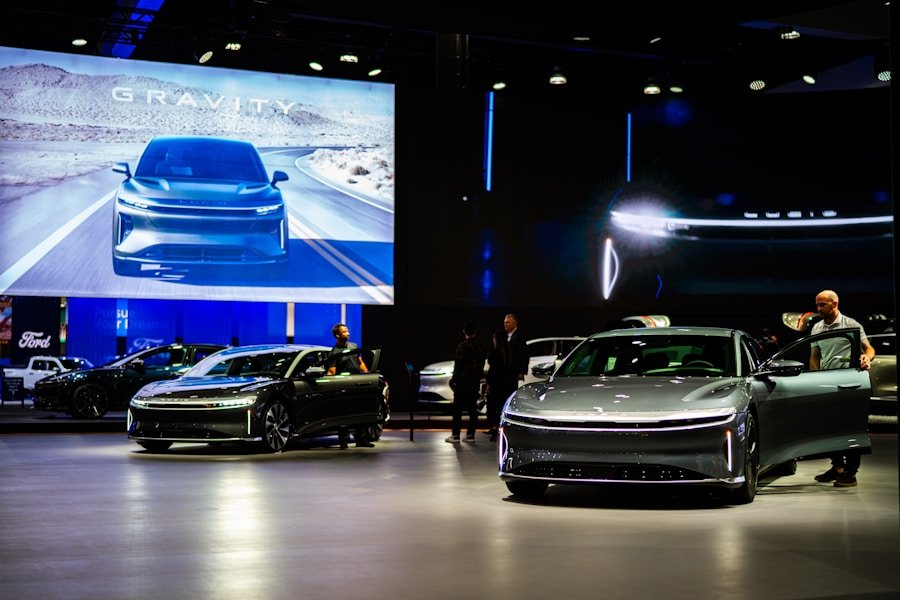
The city of Tangier, a historical nexus of trade and cultural exchange, is poised to enter a new era of personal transportation. This article examines the emergent landscape of luxury mobility within the region, exploring the factors driving its development and the potential implications for residents and the broader automotive market. We will delve into technological advancements, infrastructure adaptations, and the evolving consumer expectations shaping this sector.
The Economic Impetus for Luxury Mobility
Tangier’s economic trajectory provides fertile ground for the growth of premium vehicle markets. The city benefits from strategic geographical positioning, a burgeoning industrial sector, and increasing foreign investment. These elements converge to foster an environment conducive to the acquisition and utilization of high-end automobiles.
Rising Disposable Incomes
A primary driver is the demonstrable rise in disposable income among certain segments of the population. Data from recent economic reports indicates a steady upward trend in per capita income within the Tangier-Tetouan-Al Hoceima region. This economic buoyancy translates directly into greater purchasing power, allowing a broader demographic to consider luxury vehicles as a viable option.
Foreign Direct Investment and Expatriate Community
Tangier has become a magnet for foreign direct investment (FDI), particularly in sectors like renewable energy, automotive manufacturing, and logistics. This influx of capital brings with it a contingent of expatriate professionals and high-net-worth individuals who often possess established preferences for luxury brands and advanced automotive technologies. Their presence creates a demand signal that luxury car manufacturers and dealerships are increasingly recognizing.
Tourism and Hospitality Sector Growth
The flourishing tourism sector also plays a significant role. Tangier’s appeal as a tourist destination, with its blend of historical sites and modern amenities, attracts a discerning clientele. For them, luxury mobility extends beyond personal ownership to encompass high-end rental services, executive transport, and bespoke travel experiences. This demand further stimulates the market for premium vehicles designed for comfort, prestige, and advanced features.
Technological Advancements Redefining Luxury
The concept of luxury in mobility is no longer solely tied to opulent interiors or powerful engines. It is increasingly defined by the integration of cutting-edge technology that enhances safety, convenience, and the overall driving experience. Tangier’s luxury automotive market is witnessing a rapid adoption of these innovations.
Electrification and Hybrid Powertrains
The global shift towards sustainable transportation is not bypassing Tangier. Luxury automotive brands are introducing an increasing number of electric vehicles (EVs) and plug-in hybrid electric vehicles (PHEVs) to the market. This trend is driven by both environmental consciousness and the inherent performance advantages offered by electric powertrains, such as instant torque and silent operation.
- Charging Infrastructure Development: The viability of electric luxury vehicles hinges on robust charging infrastructure. Efforts are underway to expand publicly accessible charging stations across Tangier, complementing home charging solutions. This includes AC slow chargers for overnight parking and DC fast chargers for quicker top-ups.
- Governmental Incentives: While still nascent, there is growing discussion surrounding potential governmental incentives for EV adoption in Morocco. Such measures, if implemented, could further accelerate the penetration of electric luxury vehicles in Tangier.
Autonomous Driving Features
Beyond driver-assistance systems, luxury vehicles are beginning to incorporate advanced autonomous driving capabilities. While fully autonomous vehicles are not yet widely available for public sale, features like adaptive cruise control, lane-keeping assistance, and automated parking are becoming standard. These technologies aim to reduce driver fatigue and enhance safety, particularly in urban environments with intermittent traffic congestion.
- Sensor Integration: The sophistication of these systems relies on an intricate network of sensors, including radar, lidar, and ultrasonic sensors, providing a comprehensive understanding of the vehicle’s surroundings.
- Software Enhancements: Continuous over-the-air (OTA) software updates allow manufacturers to refine and enhance these autonomous features, offering a living, evolving set of capabilities.
Connectivity and Infotainment Systems
Modern luxury vehicles are essentially mobile computing platforms. Advanced infotainment systems, integrated connectivity, and personalized digital experiences are now central to the luxury proposition. These systems offer seamless smartphone integration, voice control functionalities, and access to a suite of online services.
- 5G Integration: The rollout of 5G networks in urban centers like Tangier promises faster data transmission speeds, enabling more sophisticated connectivity features within luxury vehicles, from real-time traffic updates to high-definition streaming.
- Personalized User Interfaces: Manufacturers are investing in highly customizable user interfaces that adapt to individual driver preferences, offering a tailored digital experience that reflects the concept of personalized luxury.
Infrastructure Adaptation and Urban Planning
The integration of advanced luxury mobility solutions necessitates corresponding adaptations in urban infrastructure and planning. Tangier, like many growing cities, faces the challenge of balancing historical preservation with modern development.
Smart City Initiatives
Tangier’s aspirations to become a “smart city” align well with the ingress of sophisticated luxury vehicles. Smart city initiatives aim to optimize urban services through technology, and this framework can readily accommodate advanced transportation systems.
- Intelligent Traffic Management Systems: The deployment of intelligent traffic lights and real-time traffic monitoring can alleviate congestion, making luxury vehicles, often larger in footprint, more manageable within urban arteries.
- Integrated Mobility Platforms: Future smart city platforms could integrate public transport, ride-sharing services, and private luxury vehicle ownership into a cohesive mobility ecosystem.
Parking Solutions for Luxury Vehicles
The size and value of luxury vehicles often demand specialized parking solutions. As the number of such vehicles increases, so does the need for secure, spacious, and potentially intelligent parking facilities.
- Automated Parking Systems: Automated parking towers or subterranean systems can maximize space utilization while offering enhanced security, a key concern for luxury vehicle owners.
- Dedicated Charging Parking Bays: For electric luxury vehicles, dedicated parking bays equipped with charging points will become an increasingly common feature in both residential and commercial buildings.
Road Network Enhancements
While Tangier boasts a relatively good road network, the increasing density of high-performance vehicles may necessitate further enhancements, particularly in areas prone to congestion or those serving new residential and commercial developments.
- Improved Road Surfaces: High-performance luxury vehicles benefit from smoother road surfaces, contributing to a more comfortable and responsive driving experience.
- Dedicated Lanes: In some scenarios, where traffic volume warrants, dedicated lanes for premium transport services could be considered to ensure efficient movement.
Evolving Consumer Expectations and Brand Presence
The Tangier market for luxury mobility is not merely a reflection of economic growth; it is also shaped by evolving consumer expectations and the strategic presence of luxury automotive brands.
Demand for Bespoke Experiences
Modern luxury consumers seek more than just a product; they desire an experience. This translates into a demand for bespoke customization options, personalized service, and exclusive access.
- Customization Programs: Many luxury manufacturers offer extensive customization programs, allowing buyers to specify everything from interior materials and color schemes to unique trim elements.
- Exclusive Dealership Services: Luxury dealerships in Tangier are adapting to this demand by offering personalized buying experiences, dedicated after-sales support, and exclusive events.
Premium Brand Expansion
Major global luxury automotive brands are increasing their footprint in Tangier, either through established dealerships or strategic partnerships. This expansion reflects their recognition of the city’s growing market potential.
- Showroom Development: New, architecturally distinct showrooms are being established, designed to reflect the prestige of the brands they represent and offer an immersive customer experience.
- After-Sales Service Networks: The availability of certified technicians, genuine parts, and efficient service centers is crucial for maintaining brand loyalty in the luxury sector.
Lifestyle Integration
Luxury mobility is increasingly viewed not in isolation but as an integral component of a broader lifestyle. This extends to seamless integration with other luxury goods and services, from high-end real estate to private aviation.
- Partnerships and Collaborations: Automotive brands are forging partnerships with luxury hotels, real estate developers, and fashion houses to create holistic luxury experiences for their clientele.
- Digital Integration: The digital ecosystem surrounding luxury vehicles, including mobile applications and concierge services, further reinforces this lifestyle integration, offering conveniences that extend beyond the vehicle itself.
The Future Landscape: Challenges and Opportunities
“`html
| Metrics | Data |
|---|---|
| Number of luxury vehicles unveiled | 10 |
| Investment in new mobility technology | 50 million |
| Number of attendees | 500 |
| Number of media coverage | 20 |
“`
The trajectory of luxury mobility in Tangier is characterized by both challenges and significant opportunities. Navigating these will define the sector’s long-term success.
Environmental Considerations
While electric and hybrid vehicles address some environmental concerns, the overall environmental impact of increased vehicle ownership, including manufacturing processes and resource consumption, remains a critical consideration.
- Sustainable Sourcing: Consumers are increasingly scrutinizing the supply chains of luxury brands, demanding ethically sourced materials and sustainable manufacturing practices.
- Recycling and End-of-Life Management: As electric vehicles become more prevalent, the challenge of battery recycling and sustainable end-of-life vehicle management will become more pronounced.
Regulatory Frameworks
The rapid evolution of automotive technology, particularly in areas like autonomous driving, necessitates clear and adaptable regulatory frameworks. Tangier, as part of Morocco, will need to align with national and international standards.
- Safety Standards: Regulations pertaining to vehicle safety, especially for new technologies, must be continually updated to ensure public confidence and mitigate risks.
- Data Privacy Laws: The increasing connectivity of luxury vehicles generates vast amounts of data. Robust data privacy laws are essential to protect consumer information and build trust.
Socio-Economic Equity
The rise of luxury mobility can exacerbate existing socio-economic disparities. Ensuring that the benefits of technological progress are broadly distributed, and that the costs are not unfairly borne by certain segments of society, is an ongoing societal challenge.
- Public Transportation Investment: Continued investment in and improvement of public transportation systems are crucial to ensure that all residents have access to efficient and affordable mobility options.
- Infrastructure Accessibility: New infrastructure developments should be designed to be accessible to all, not solely catering to high-end vehicles.
In conclusion, Tangier stands at the cusp of a transformative period in its mobility landscape. The confluence of economic prosperity, technological innovation, evolving consumer preferences, and strategic urban development is shaping a discernible market for luxury transportation. This evolution is not a static event but an ongoing process, resembling a river carving its path through a landscape – constantly adapting, sometimes encountering rapids, but always pressing forward. Understanding these dynamics is essential for stakeholders, policymakers, and consumers alike as Tangier progresses into its future.