
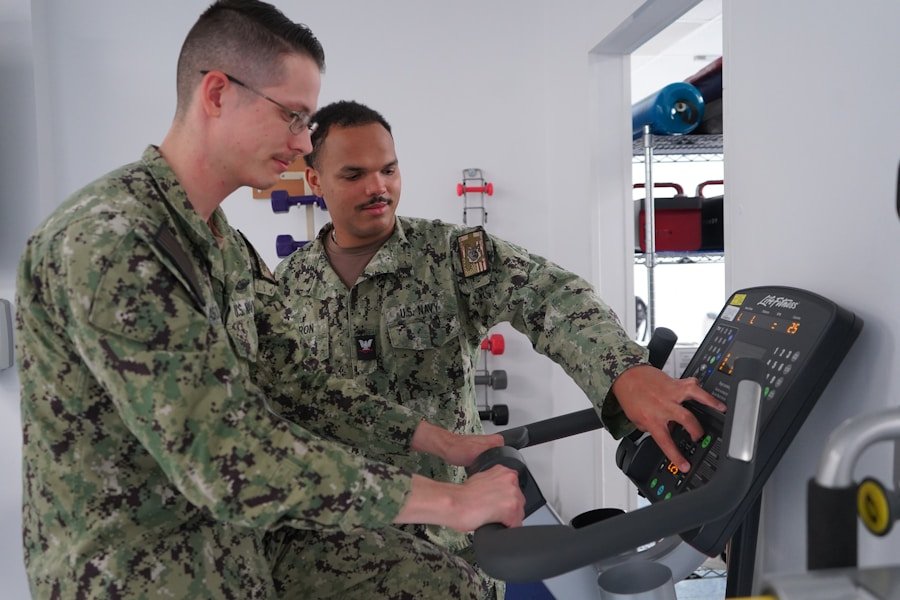
The sports recovery industry addresses the physiological and psychological demands placed on athletes. It encompasses methods and products designed to optimize performance, prevent injury, and facilitate rehabilitation. This article explores strategies for success in this evolving sector, offering insights for those navigating its competitive landscape.
Understanding the Landscape: A Growing Market
The sports recovery industry is characterized by significant growth, driven by an increasing focus on athlete longevity and performance optimization. As the understanding of post-exercise physiology advances, so too does the demand for sophisticated recovery solutions. This market is not simply about immediate post-event care; it extends to proactive strategies for sustained athletic careers.
Market Drivers
Several factors contribute to the industry’s expansion. The professional sports sector, with its substantial financial investments in athlete welfare, remains a primary driver. Beyond professionals, the rise of amateur athletics, including endurance events and recreational sports, has broadened the customer base. Furthermore, increasing awareness of preventive healthcare and injury mitigation among the general population who engage in physical activity contributes to market growth. Technologies such as wearable sensors and data analytics also play a role, allowing for more personalized and data-driven recovery protocols.
Key Market Segments
The primary market segments within sports recovery include:
- Recovery Equipment: This segment comprises devices like compression therapy systems, percussive massage tools, cryotherapy chambers, and infrared saunas.
- Nutritional Supplements: Products such as protein powders, amino acids, electrolytes, and anti-inflammatory supplements aim to support muscle repair and reduce recovery times.
- Therapeutic Services: This includes services provided by physical therapists, massage therapists, chiropractors, and sports psychologists, often integrating various recovery modalities.
- Wearable Technology: Devices that monitor biometric data, such as heart rate variability, sleep patterns, and activity levels, provide insights for optimizing recovery strategies.
- Recovery Facilities: Specialized centers offering a range of recovery services, often with access to advanced equipment and expert practitioners.
Building a Strong Foundation: Product and Service Development
Success in the sports recovery industry hinges on developing products and services that demonstrably meet athlete needs. This requires a nuanced understanding of sports science, exercise physiology, and biomechanics. Innovation is not merely about novelty; it’s about efficacy and evidence-based practice.
Evidence-Based Efficacy
Claims of effectiveness must be substantiated by scientific research. Products and services that lack peer-reviewed evidence risk losing credibility in a highly informed market. Consumers, particularly professional athletes and their support teams, increasingly scrutinize the scientific basis of recovery interventions. Investing in research and development, including clinical trials, can differentiate offerings and build trust. Without this, you are merely offering a hope, not a solution.
Personalization and Customization
The “one size fits all” approach is diminishing in effectiveness. Athletes have diverse physiological profiles, training regimens, and recovery needs. Successful ventures offer personalized solutions, whether through customizable equipment, tailored nutritional plans, or individualized therapeutic interventions. The integration of data from wearable technology allows for increasingly sophisticated personalized recovery protocols. This is where the industry transitions from broad strokes to fine-tuning.
Integration with Training Protocols
For optimal results, recovery strategies should not operate in isolation; they must be integrated seamlessly into an athlete’s overall training program. This requires collaboration with coaches, trainers, and medical staff. Products and services that facilitate this integration, such as platforms that track both training load and recovery metrics, gain a competitive advantage. Consider recovery an integral gear in the training machine, not an optional spare part.
Reaching the User Base: Marketing and Distribution Strategies
Effective marketing and distribution are paramount for translating innovative products and services into market success. The target audience spans elite professional athletes to casual fitness enthusiasts, each requiring tailored approaches.
Targeted Marketing
Identifying and segmenting the target audience is crucial. Marketing messages for professional sports organizations will differ significantly from those aimed at recreational runners. Utilizing channels such as sports science conferences, athletic team sponsorships, and direct engagement with coaches and therapists can reach professional segments. For broader audiences, digital marketing, social media influence, and partnerships with fitness communities are effective. Your communication must resonate with the specific needs and aspirations of each group.
Educational Content
The industry benefits from educational marketing. Providing valuable information about recovery science, injury prevention, and the proper use of recovery tools can position a brand as an authority. Webinars, expert articles, and explainer videos can empower consumers to make informed choices, fostering trust and loyalty. This approach moves beyond simple product promotion to genuine value addition.
Strategic Partnerships
Collaborating with established organizations in the sports and medical fields can accelerate market penetration. Partnerships with sports teams, athletic associations, physical therapy clinics, and research institutions can provide validation, access to new customer bases, and opportunities for co-development. Such alliances can open doors that are difficult to access independently.
Navigating the Competitive Arena: Operational Excellence and Innovation
The sports recovery industry is dynamic and increasingly competitive. Sustained success requires not only product innovation but also robust operational strategies and a commitment to continuous improvement.
Supply Chain Management
Reliable and efficient supply chain management is essential, particularly for physical products. This includes sourcing high-quality materials, maintaining inventory, and ensuring timely delivery. Disruptions in the supply chain can lead to stockouts, customer dissatisfaction, and reputational damage. A smooth supply chain is the invisible backbone of a reliable business.
Customer Service and Support
Exceptional customer service can differentiate a brand in a crowded market. Providing responsive support, clear product instructions, and effective troubleshooting helps build customer loyalty. For service-based offerings, the quality of interaction and the expertise of practitioners are foundational to client satisfaction. Word-of-mouth recommendations, often stemming from positive customer experiences, are invaluable.
Continuous Research and Development
The science of sports recovery is constantly evolving. Companies that invest in continuous research and development are better positioned to anticipate market trends, develop next-generation solutions, and maintain a competitive edge. This includes exploring new technologies, refining existing products, and staying abreast of scientific advancements. Stagnation is not an option; the field is a living entity, always progressing.
Building for the Future: Ethical Considerations and Sustainability
| Key Metrics | 2019 | 2020 | 2021 |
|---|---|---|---|
| Revenue (in millions) | 10 | 12 | 15 |
| Number of Clients | 100 | 120 | 150 |
| Customer Satisfaction Rate | 85% | 88% | 90% |
| Market Share | 15% | 18% | 20% |
Long-term success in the sports recovery industry extends beyond immediate commercial gains. Ethical practices, a commitment to sustainability, and adaptability are increasingly important pillars.
Ethical Marketing and Product Claims
The industry interfaces with health and performance. Therefore, ethical marketing is paramount. Avoid exaggerated claims or misleading information regarding product efficacy or safety. Transparent communication about ingredients, scientific backing, and potential risks fosters trust and maintains industry integrity. Misinformation can quickly erode public confidence.
Regulatory Compliance
Many products and services, particularly those involving medical devices or dietary supplements, are subject to regulatory oversight. Adhering to relevant national and international regulations (e.g., FDA in the US, EMA in Europe) is critical to avoid legal issues and maintain market access. Ignorance of regulations is not a defense; it is a liability.
Environmental and Social Responsibility
As consumer awareness of environmental and social issues grows, companies are increasingly expected to demonstrate responsibility. This can include employing sustainable sourcing practices, minimizing waste, and ensuring fair labor practices throughout the supply chain. Incorporating these considerations can enhance brand reputation and appeal to a broader, ethically conscious consumer base.
Adaptability to Technological Advancement
The industry is frequently influenced by technological breakthroughs. Companies must remain adaptable, ready to integrate new technologies, such as advanced analytics, artificial intelligence, or novel biomaterials, into their offerings. The capacity to pivot and incorporate innovation is a fundamental aspect of future-proofing a business in this sector.
In summary, success in the sports recovery industry demands a multifaceted approach. It requires a deep understanding of sports science, a commitment to evidence-based innovation, strategic marketing, operational excellence, and a strong ethical framework. Companies that can consistently deliver effective, personalized, and responsibly manufactured solutions are best positioned to thrive in this expanding market.